South Africa is gloriously complicated: it’s perhaps less ‘where to visit in South Africa‘ and more ‘how on earth will I fit it all in?’
It’s not a tropical island like Mauritius, where all you have to decide is which side of the beach you want to plonk your towel on. It’s not a one-trick ‘safari pony (or should that read ‘zebra’) like some of its neighbours. In South Africa city lights and wild spaces co-exist.
South Africa is a country of contrasts: mountains and coastlines, vineyards and desert, cities and wilderness. While it’s famous for safaris, this article is mainly about everything else — the regions that will make you fall in love with the country beyond the game drives.
Not for nothing was it dubbed ‘a world in one country’ a few decades ago.
Plus, it’s a HUGE country and so on a 11-13 night – or even a 3-week trip – you won’t have time to see everything.
Beyond Safari: Where should I go in South Africa?
So, we appreciate that it can be a little confusing to know which regions to visit as well as your safari. (Or even which regions to explore on a second, third or fourth visit.)
Below we attempt the unenviable task of trying to summarise our twelve ‘regions” in terms of tourism interest. (And this doesn’t include every part of SA.)
We’ll try to summarise their unique selling points in one easy-to-read article. Not an easy task, but here goes!
NOTE: This article focuses more on the non-safari elements of South Africa: the culture, food, scenery, activities, beaches and road trips. We’ll touch on our safari regions. But we have a separate article which goes into way more detail:
For First Timers: Can’t-Miss Regions to Visit in South Africa
Our first few regions are ones typically on the short-list for 1st-time visitors. But – depending on your interests and time of year – we may recommend other regions instead or as well.
Identifying which regions will suit each client is part of our job when we are discussing your planned trip.
Off- the- Beaten Track Safaris: Where Adventurers Roam
Now it starts to depend on your interests, your aptitude for exploring wilder areas, and how happy you are to drive longer distances. Usually, these ae great for repeat visitors who’ve seen (some of) the above and is now hunting for new adventures.
20 pages of Useful Tips: Best time to Travel, Safari Costs, How to Get Around, Special Interests and more…
Get our Free Guide
Note on Sample Tours
We have a frankly ridiculous number of sample tours for South Africa. So, to make it easier we give just 1-2 sample tours after each region. However, click on the link to go to that region if you want to see all our tours which head there.
Standout Regions in South Africa: How to Choose Your Perfect Trip
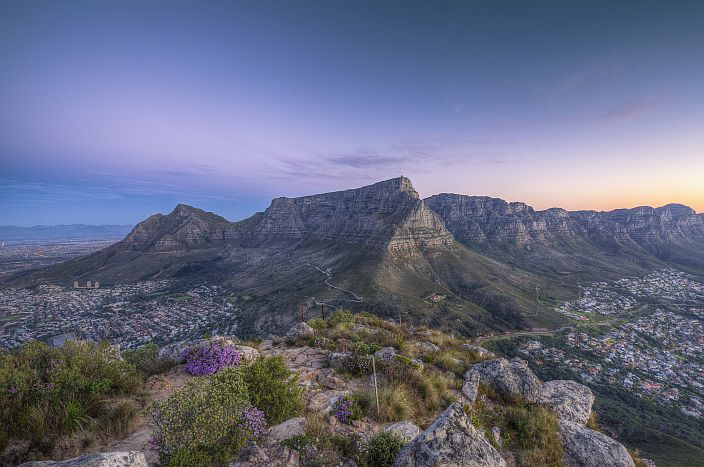
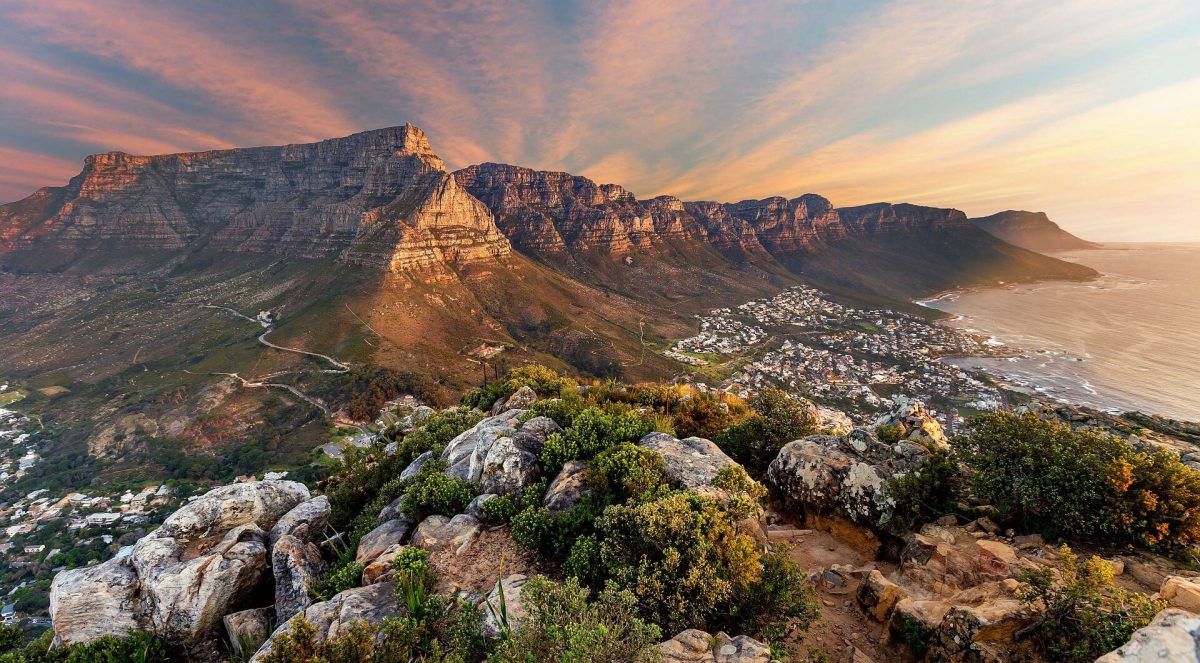
Table Mountain, the historic Waterfront and Bo-Kaap, crashing breakers and glorious sunsets. Cape Town is a drawcard for most people with year-round interest.
Unless you have a pathological hatred of beautiful scenery and good food, I’d include a few nights in this incredibly beautiful city surrounded by the ocean.
Best Time: Mid-August to mid-May (but worth a visit at any time of year!)
Why Go There
Widely considered one of the most beautifully situated cities in the world with Table Mountain rising as a talismanic symbol.
Famous foodie destination
Glorious beaches including surfing spots (Note: Chilly water!)
Town and country in one city: Wine-tasting in Constantia, hiking on the mountain, mountain biking in the forest foothills.
Stay here & still visit the Winelands (if you don’t like moving hotels)
Wide range of excursions: Foodie tours, walking, cultural, sea kayaking, cycling in the city, mountain biking, wine-tasting
Scheduled tours on offer if budget doesn’t run to private touring
Indoor attractions in winter (Think: Zeitz MOCAA museum, South African Museum or South Africa Art Gallery)
Things to Consider
Quite busy & touristy at Christmas
Expect long queues for Table Mountain Cable car (TIP: Buy Fast Track tickets if budget allows)
Can be rainy and cold in June & July. (Same goes for Winelands, Hermanus and Garden Route as well)
Best For: Most people!
Not Idea For:
If you want only safari, safari, safari and have an allergic reaction to cities – even ones with a socking great mountain in the middle of them.
An area of exquisite beauty with verdant green vineyards, oak avenues leading to elegant Cape Dutch wine estates and charming towns. It’s not just about wine-tasting, but history, scenic beauty, and excellent food.
Best Time to Visit the Winelands: Mid-August to mid-May
Why Go There
Very scenic
Well-developed wine routes with wine-tasting
Great restaurants, many rivalling Cape Town
Close to Cape Town so easy to add a night or two here, or visit for the day (if short on time)
Interesting excursions such as bicycling in the vineyards or foodie walking tours
Wine shuttles and Wine tram on offer so you don’t have to drive.
Things to Consider
Quite busy & touristy in summer – this is not untrammelled wilderness!
Feels Westernised – comforting to new visitors, but perhaps not sufficiently different from home?
Best For: People who enjoy wine-tasting, good food, scenery, and history (so… most of us!)
Not Ideal For: Families with young kids could give it a miss
Hermanus, Arniston and De Hoop boasts some of the finest whale-watching in the world with spectacular coastal scenery close to Cape Town.
Best Time: Good for whales between July and November. Great beaches in summer (Dec to March).
Why Go There
Best chance of seeing whales in South Africa (though also possible on the Garden Route)
Pleasant summer climate with superb stretches of sandy beaches and coastline
Great hiking on the coastal path & in the mountain nature reserves behind.
Superb wine estates near Hermanus
Some of the attraction of the Garden Route but closer to Cape Town.
Choice of destinations to suit your tastes: tourism-friendly Hermanus, the more remote De Hoop or the scenic but more direct route of Swellendam and Route 62 en route to the Garden Route.
Route 62 offers the closest ‘proper’ game reserve to Cape Town: Sanbona
Things to Consider
Its climate is the most variable/temperate in South Africa with rain more likely than elsewhere.
Though whale-watching is at its peak from July to November, its climate suits summer visitors. So ideal time would be October-November.
Some parts e.g. De Hoop are still a solid 3-4 hours to get to from Cape Town
Best For: People who enjoy varied interests: beaches to whales and walking to wine-tasting
Not Ideal For: Guaranteed sun seekers – there are better options – see Garden Route
A spectacular coastline of dramatic headlands and white sandy beaches backed by verdant mountains. A natural paradise for families, honeymooners, and couples alike.
Best Time: October to May
Why Go There
Holiday-maker’s paradise with an intoxicating mix of beaches, excursions & activities, and attractive coastal towns.
Loads of soft adventure excursions from as ziplining to tubing
Great hiking opportunities
Boat-based whale-watching in season
Boat cruises in the sea, lagoon, and up rivers
Superb summer season beaches to escape the Northern Hemisphere winter cold.
Temperate climate – warm but not too scorchingly hot
Noticeably warmer sea temperatures than Cape Town or Hermanus
Has 1-2 game lodges on offer, but Eastern Cape is also an easy drive away (or transfer)
Things to Consider
Feels westernised: comforting and accessible but not very exotic?
Its attractions are beach and outdoor based, not ideal for the winter (rain) season.
Best For:
South Africa Summer beach-lovers
People who’d like lots of activities: beaches, hiking, attractions, shops, restaurants
Families – lots of family-friendly options
Not Ideal For:
People seeking wilderness and silence (though you can find solitude here if you look)
The Cederberg is untamed, unexpected and unmissable. It’s famous for its spectacular mountain drives, hiking; spring wildflower displays, ancient rock art walking trails and delicious wine. Great for people who like to be active. Noticeably warmer winter climate than the rest of the Cape.
The West Coast is its natural double act: cooler and wilder than its southern counterpart, a foodie’s delight all with great beaches and nature reserves, awash with flowers in springtime.
Unusual Fact: The Cederberg is the only place on earth you’ll find Rooibos tea growing wild.
Best Time: Year-round but for different people: March to November for active people; December to February for sun-seekers. Whilst August is flower season.
Why Go There
Beautiful Mountain Wilderness
Feels noticeably ”away”, but only 2½ hours easy drive from Cape Town.
Spectacular wild spring flower displays in August
Great hiking in the fynbos and mountains
Warmest daytime temperatures in the Cape winter (June to Sept) thought nights are cool.
Extremely hot in summer. Sun-seekers love it as it stays hot long after Cape Town & Winelands feels autumnal (to end March).
Things to Consider
Its attractions are not man-made. It is suited to those wanting to hang out in beautiful area, with scenic drives, walking or mountain biking. There are not loads of things “to do”. (But there are some such as Rooibos tea farm visits, rock art rambles, scenic drives)
Can be too hot in summer for some. And active people will need to get up early.
Best For:
Opposite of the Garden Route: People seeking wilderness and silence
Sun-seekers, especially slightly out of season e.g. March or November
Active people
Not Ideal For:
People who want lots of shops, restaurants, and excursions
The northern Cape is not usually on a 1st-time itinerary, but many repeat visitors love its sense of wilderness. This vast province has several distinct parts: the spring wildflowers of Namaqualand to the desert-adapted wildlife of the Trans Kalagadi National Park and the dramatic Augrabies Falls.
Further east is the Great Karoo and historical mining town of Kimberley, as well as the largest private game reserve in South Africa, Tswalu in the Kalahari Desert.
Note: This is predominantly a Road trip destination (self-drive)
Best Time: Usually May to Sept for game-viewing. August is flower season in Namaqualand. But Augrabies Falls becomes less impressive at the end of the dry season (October-November)
Why Go There
Kalahari Desert and Karoo offer a completely different landscape to the rest of South Africa
Great desert-adapted game-viewing in the Kgalagadi Transfrontier Park
Spectacular wild spring flower displays in August
Luxurious Fly-in safaris to Tswalu Kalahari, largest private reserve in South Africa
Impressive Augrabies Falls
Things to Consider
Distances are great in the Northern Cape so be prepared for a road trip experience
Landscape is much more austere than the mountainous Mediterranean Cape
Accommodation is generally simple and comfortable, with only one or two exceptions. Apart from Tswalu, there are no five star options here.
Can be too hot in summer for many (plus not peak game-viewing season)
Important Note: It’s expensive to do a guided tour here (due to distances) so it’s primarily a self-drive destination
Best For:
People seeking wilderness, silence
Keen flower viewers and botanists
Safari visitors wanting to experience the Kalahari wildlife
Not Ideal For:
People who want lots of shops, restaurants, and excursions
Noe lets briefly focus on our predominantly safari regions. We go into MUCH more detail in our sister article:
The Major Safari Regions of South Africa
The Kruger is one of South Africa’s ‘must see’ destinations with the finest game-viewing in the country. We recommend the private game reserves, such as the Sabi Sands, Timbavati, Klaserie or Thornybush.
Non-Safari Attractions in the Kruger Area
You can combine game-viewing with a 1- or 2-night visit to the scenic Drakensberg escarpment, which we recommend if you are catching a mid-morning flight to Victoria Falls (or elsewhere).
Best Time: May to October best for game-viewing (dry sunny winter months)
Why Go There
Best wildlife viewing in the country, especially in the Sabi Sands
Great flight connections to Johannesburg, Cape Town, and Victoria Falls
Combine with the attractive Blyde River canyon area for a scenic contrast
Things to Consider
Seasonal malaria risk – with much lower risk in the winter safari months
Chat to one of our experienced consultants that’s here to help and guide you.
We use our expertise to narrow down the choices and present feasible ideas, so you can relax and ENJOY the planning process!
Contact us!
The Eastern Cape offers the private game reserves of Shamwari, Lalibela, Kariega, Kwandwe and Amakhala amongst others. As well as the Addo Elephant National Park
Non-Safari Charms
However, it also offers three non-safari areas:
Rich cultural history of Graaff Reinet and the Great Karoo,
Beaches of St Francis & Jeffreys bay between the Garden Route and the Game Reserves,
Remote hidden coastal gems of the Wild Coast.
Best Time: In contrast to other safari areas, game-viewing is less seasonal and so we recommend from August through to May. As winters can be cold.
Why Go There
Excellent non-malaria game-viewing – with many family-friendly game lodges
Interior of eastern Cape offers profound sense of wilderness, beautiful scenery, and history
Great Bush & Beach option
Easy to combine with the Garden Route (self-drive or private transfer)
Things to Consider
This is primarily a self-drive destination if you want to explore the Karoo interior or to the Wild Coast
The safari regions do not feel as ”African safari” as the Kruger with some exceptions
Also, a safari area, but much, much more. Less well-known than the Cape or Kruger, KwaZulu Natal is nicknamed as “a world in one Province” with its winning combination of beaches, wildlife, mountains, culture, history, and beautiful scenery.
The main game reserves and beach destinations can be reached by private transfer, but if you are exploring through the region, we recommend self-drive.
Best Time: Great destination for winter visitors looking for a dry and sunny climate. Summers can be hot and humid so ideal from mid-March to November.
Why Go There
Hugh diversity of interest. You can happily have a 2-week holiday just in KZN
Variety of safari lodges with above average chance of seeing Cheetah
Plus, extremely low risk malaria, and only in far north. Not required to take anti-malaria medication.
You can do ‘bush and beach’ here very easily, for most of the year!
Far north of KwaZulu Natal is only part of South Africa which offers a winter beach destination e.g. in our July and August.
It is much more African in feel with a real sense of the Zulu culture.
Far northern KZN offers turtle tracking in season, November and again Jan/Feb
Things to Consider
This is not the culinary heart of South Africa, Food is distinctly more conventional and everyday than in Cape Town or the Winelands.
Summers are hot and humid so best for our shoulder and winter months.
It is best suited for self-drive as guided touring is expensive here.
As it is less westernised, it may be best for more experienced and reasonably adventurous travellers.
The malaria-free Waterberg is a stunning area of natural beauty, a dramatic forested plateau dissected by ravines and waterfalls with panoramic views over the plains
The Waterberg region lies 2-3 hours north of Johannesburg and Pretoria and is easily reached by road transfer or self-drive.
Why Go There
Stunningly beautiful terrain, especially the Welgevonden and Entabeni
Excellent Big Five game-viewing
Fairly easy drive (3 hours) from Johannesburg or Pretoria
Malaria-free so perfect for families
Things to Consider
The area is very varied. So, you need to know what you are getting. Game lodges in the Welgevonden offer Big Five game-viewing. Other game lodges do not as their focus is on horse-riding safaris or walking safaris.
This isn’t an area that people request. But often you may need a night here, either as you arrive or before heading off on a luxury train journey or to another country.
Alongside the large cities of Johannesburg are a couple of smaller areas to visit such as the Magaliesberg country region, the malaria-free Pilanesberg Game Reserve and the rather glitzy resort of Sun City, which is not really our ‘cup of tea’
Things to Consider
Plenty of interest for 1-2 nights with Apartheid Museum, city and Soweto tours, as well as trips out to the remarkable Sterkfontein Caves & Maropeng
Some lovely boutique hotels, perfect for relaxing at the start or end of your trip
The most connected city in South Africa
Great restaurants and shops
Cons
Mostly it’s a big city with all that this entails: traffic and noise
Download our Free Safari Planning Guide
20 pages of Useful Tips: Best time to Travel, Safari Costs, How to Get Around, Special Interests and more…
Get our Free Guide
From Coast to Canyon, We’ve Got You Covered
South Africa offers a world of experiences; from cosmopolitan Cape Town to the untamed Cederberg, from whale-watching in Hermanus to the wildflowers of the West Coast. But no trip is complete without matching the right regions to your mode of travel, season, and budget.
Think of this article as your inspiration board. The next step? Turning it into a personalised itinerary: one that blends the regions you’ve fallen for here, with a world-class safari and seamless travel connections.
3 Easy Steps:
Tell Us Your Wish List – Beaches, wine, mountains, culture, or a bit of everything.
We Curate Your Trip – Balancing must-sees with hidden gems and Add a Safari – See our companion guide to South Africa’s top game reserves.
You Experience the Magic – With every detail taken care of.
Chat to us
Not Sure Where to Start? Talk to a Cedarberg Africa specialist and let's design your perfect South African trip
The Where to Visit in South Africa was written by safari specialists Cedarberg Africa
At Cederberg Africa, we believe the best trips are personal. That’s why we don’t sell packages — we design journeys. Our in-depth local knowledge means we can pair your wish list with the right lodges, guides, and routes, and our meticulous planning ensures everything runs seamlessly from your first airport pick-up to your last sunset.