Travel In Africa
Africa offers some of the most rewarding travel experiences in the world: extraordinary wildlife, dramatic landscapes, warm hospitality and a pace of life that often feels wonderfully different.
It is also important to travel with realistic expectations. Safari areas can be remote, roads may be rough, power and water can occasionally be erratic, and local standards or systems may differ from those at home.
With sensible preparation, good advice and a little flexibility, these differences are part of what makes travel in Africa so memorable.
Please bear the following in mind:
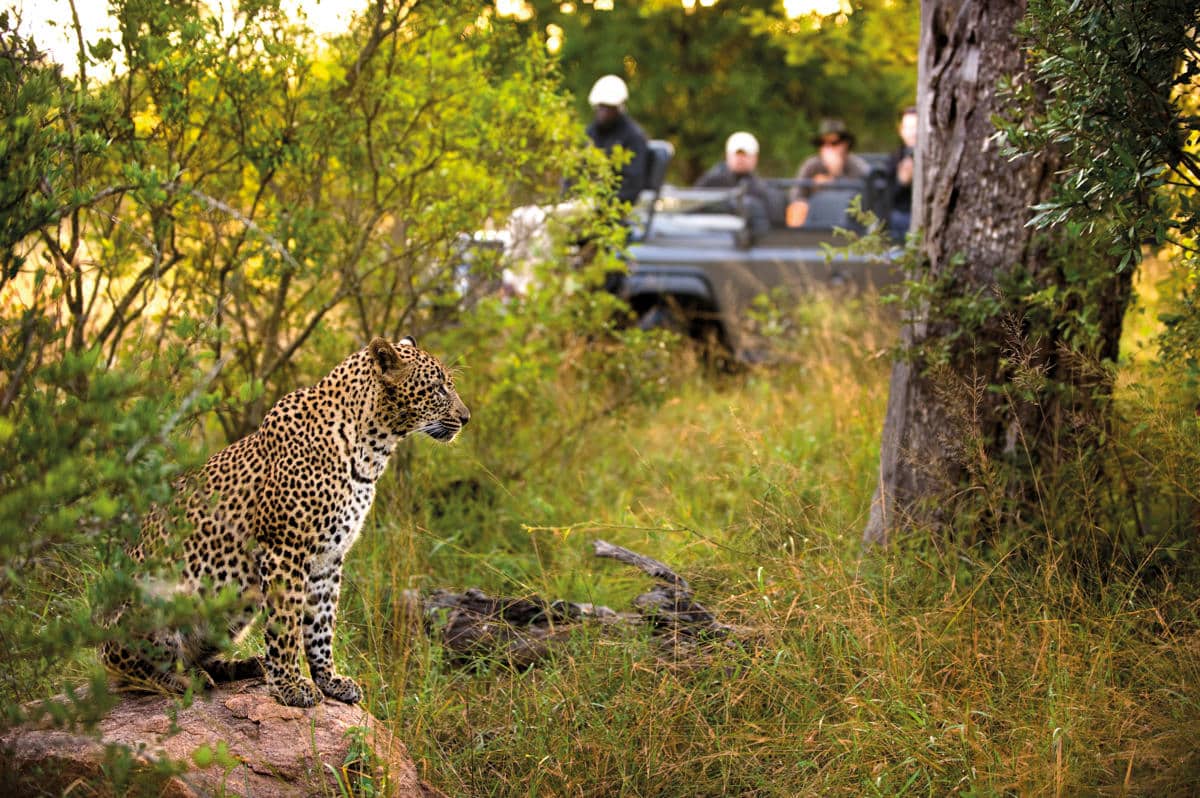
Is it safe on safari?
A safari takes you into areas where wild animals roam freely, so – as with many holidays – it is never going to be a completely risk-free environment. So it is important to follow the guidance of your guide, tracker or lodge staff at all times.
The vast majority of safaris run smoothly and safely, but common sense matters. Stay in the vehicle unless told otherwise, do not walk around camps after dark without an escort, and respect the rules given to you on arrival.
Many lodges and adventure operators will ask guests to sign an indemnity form before taking part in safari or activity experiences.
Remote Places & Realistic Expectations
Some of Africa’s most rewarding places are remote. This can mean bumpy roads, dusty conditions in the dry season, muddy tracks in the rains, limited Wi-Fi, or occasional interruptions to power and water.
Many lodges operate with solar power and careful water use to reduce their environmental impact. A little patience and flexibility go a long way.

Malaria
Some safari areas are malaria-risk areas, particularly in the warmer and wetter months between October and April, while others are malaria-free. In the dry season from May to September, there is generally less mosquito activity, particularly in South Africa. This coincides with the best time for game viewing.
In malaria-areas, you need to take anti-malaria tablets and reduce the chance of being bitten with insect sprays and long-sleeved clothing and trousers. Babies and very young children should avoid malaria areas – ask your safari specialist for the best areas that suit your health needs.
Health and Hygiene
Health requirements vary by specific country, season and personal circumstances.
Please speak to your doctor, travel clinic or medical practitioner at least 4–6 weeks before travel for advice tailored to you. This is especially important if you are pregnant, have an existing medical condition, or take regular medication.
Countries rich in the larger wildlife are always rich in smaller wildlife as well – insects, spiders and mosquitoes are common. So their presence does not necessarily indicate a lack of cleanliness but rather is a fact of life!
Helpful Resources:
- Excellent general travel health information which is useful in advance of visiting your surgery is available on the Scottish health service website http://www.fitfortravel.nhs.uk/home.aspx
- MASTA offers telephone consultations, clinics and an online vaccine checker.
Personal Safety
As in many countries, sensible precautions are important. Avoid walking in unfamiliar urban areas at night, keep valuables out of sight, use hotel safes where available, and ask your guide, lodge, hotel or Cedarberg consultant for local advice.
Tourist and safari areas are generally welcoming and friendly, but it is still wise to stay alert and follow up-to-date travel advice.
Examples include:
• Foreign & Commonwealth Office Travel Advice Unit: http://www.gov.uk/knowbeforeyougo
• US State Department: http://travel.state.gov/content/travel.html
People are generally friendly and helpful in rural and tourist areas. We suggest avoiding downtown districts at night, or driving or walking at night in unfamiliar areas. Do not leave valuables on show or luggage unattended and make use of the hotel safety deposit box. Ask for, and follow, the advice of our local office, local agent or your hotel manager.
Travel Insurance
Comprehensive travel insurance is essential and is a condition of booking with us.
Your policy should cover cancellation charges, curtailment, medical expenses, repatriation, emergency evacuation and personal liability. Please make sure your cover is suitable for the destinations and activities in your itinerary.
Flights and Connections
We can quote for many domestic and regional flights within Southern Africa and East Africa. Flight prices are usually quoted separately and are not guaranteed until booked and paid for.
Flights are often loaded around 11 months ahead. If you are travelling at Christmas, during peak season, or for a special event, it is wise to plan early, as flights get MORE expensive as you get closer to travel.
If you book your own flights, please allow generous connection times, especially when arriving internationally and connecting to regional or safari flights.
Check out our page for extra information on flights
Baggage Allowances
Baggage allowances vary by airline, route and aircraft type.
Please note that domestic and regional flights within Africa usually have lower allowances than international flights.
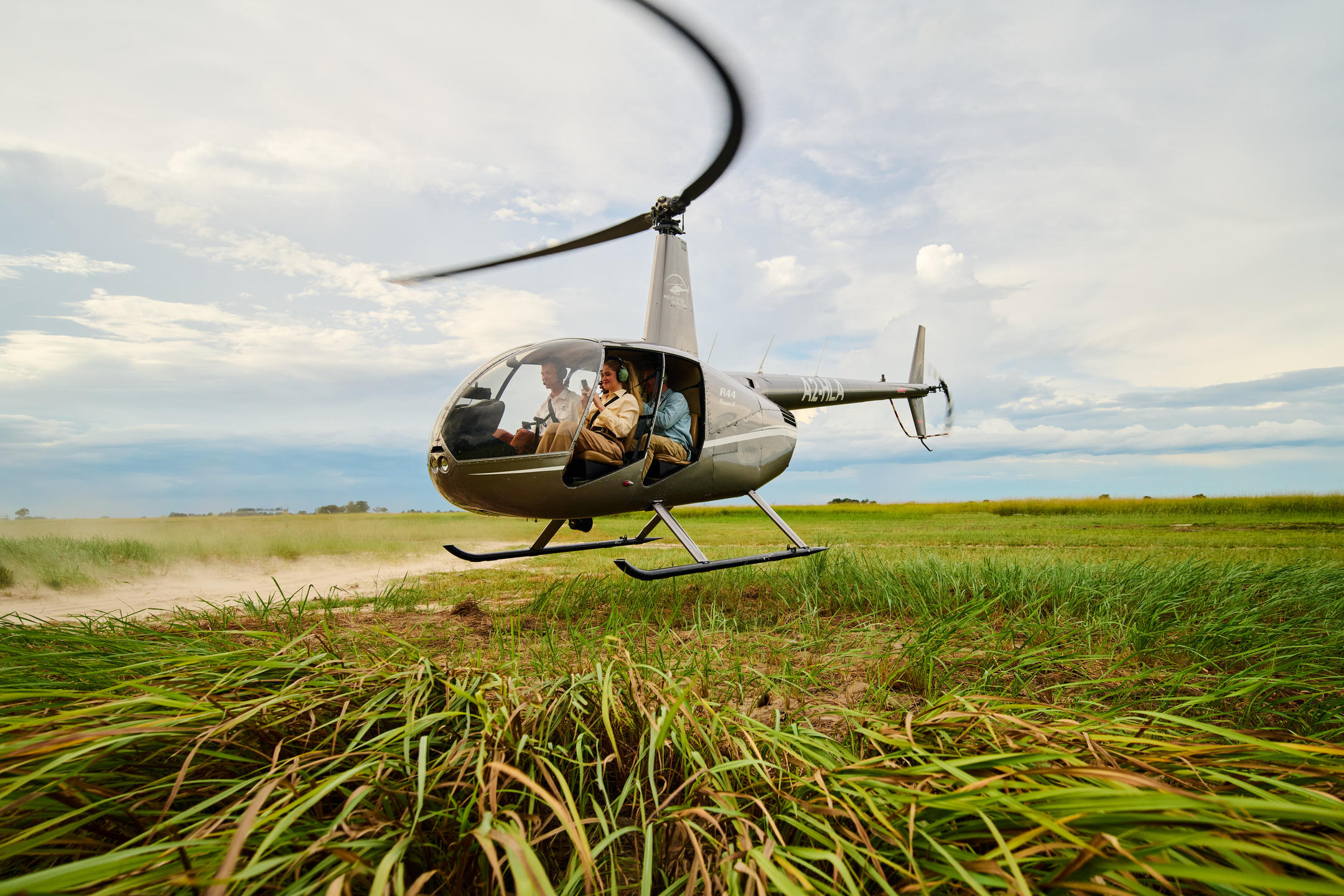
Light aircraft and charter flights are stricter still, often requiring soft-sided bags and lower weight limits. Your itinerary or pre-travel documents should always be your main source of information.
See our dedicated page for more information – Baggage Allowance
Visas, Passports and Travel documents
Passport, visa and health requirements depend on your nationality, routing and personal circumstances, and can change without warning.
Please check the requirements for every country in your itinerary at the time of booking, and again around 6 weeks before travel.
See our dedicated page for more information on Visas, Passports & Travel Documents.
Travelling with children
Some countries have additional documentation requirements for children under 18, especially when travelling with one parent, with neither biological parent, or with a different surname from a parent.
We will highlight known requirements where relevant, but it remains your responsibility to check the latest rules for your family’s circumstances.
Room Configurations: Twins, Children’s Beds and Bathrooms
Room layouts and configurations vary considerably between lodges, camps and hotels. The following covers some of the most frequently discussed points.
Twin Beds
Many rooms can be configured either as a king bed or as twin beds. However, in some rooms, the headboard with an integrated bedside-table layout means that twin beds cannot always be physically separated.
In this case, you will have your own separate bed, but it may be immediately adjacent to the other bed. If the beds can be separated, please ask the lodge or hotel staff to arrange this for you. Occasionally, however, it is simply not possible.
Children’s Beds
Family room set-ups vary considerably. A child’s bed may be an extra single bed, sofa bed, window-seat bed, rollaway bed or stretcher bed, depending on the hotel or lodge.
If you feel strongly that your child needs a specific type of bed, please tell us before booking. Please also read the room description carefully and ask us to clarify anything that is unclear.
Open Bathrooms
Some safari rooms and tents have an open-plan bathroom configuration, but with an enclosed toilet. This is quite common in safari lodges, where the bathroom (and dressing area) sits behind the bedroom/headboard, so although there may not be a door, the area is still largely hidden from view.
However, occasionally, rooms have a more open bathroom layout, sometimes designed to make use of a wonderful view. These bathrooms are usually screened off from the bathroom in some way, but not always.
If you strongly prefer not to have an open-plan bathroom, please read the room description carefully, and discuss this with your Cedarberg consultant before booking. In some cases, avoiding this layout may mean choosing a different safari lodge, hotel or room category, so it is best to raise this early in the planning process.