Ever wondered about the Cape Dutch Architecture of the Winelands?
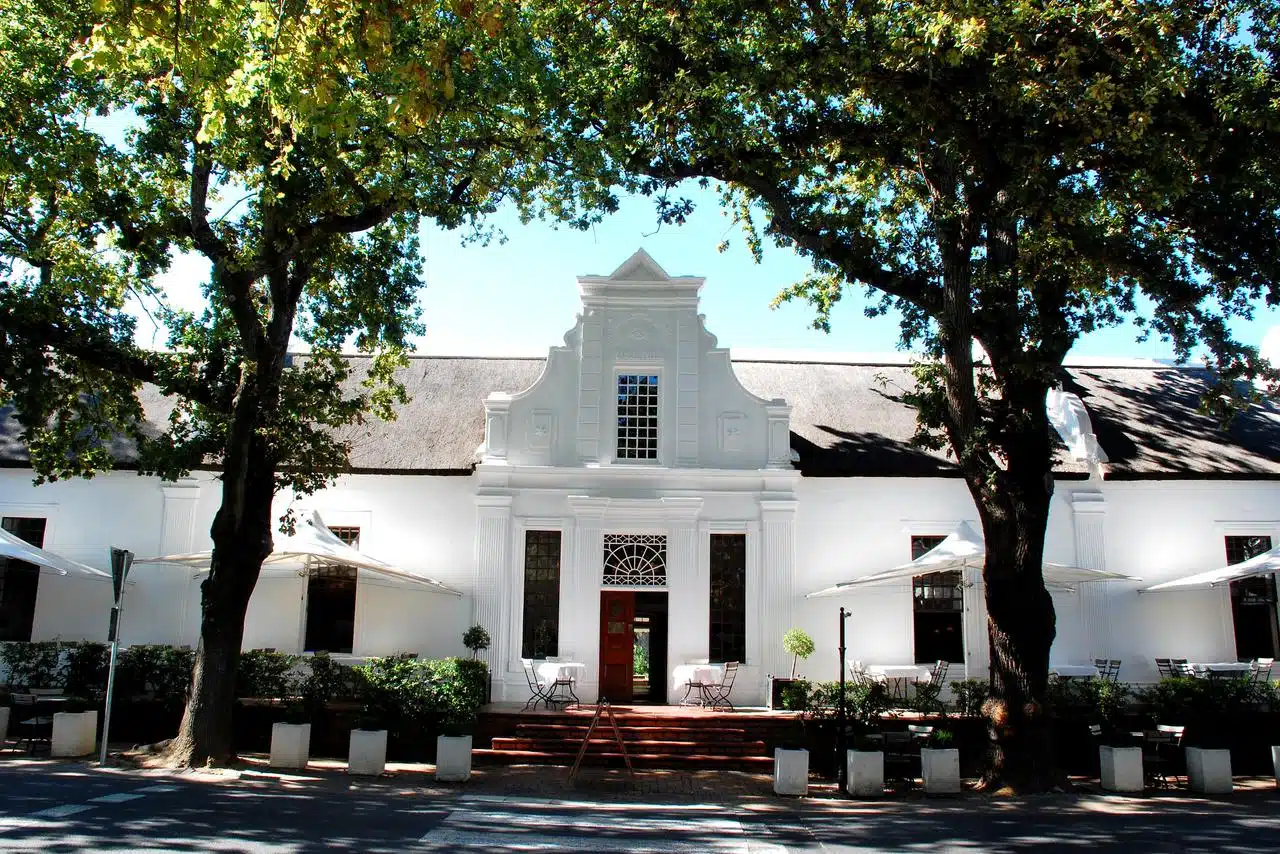
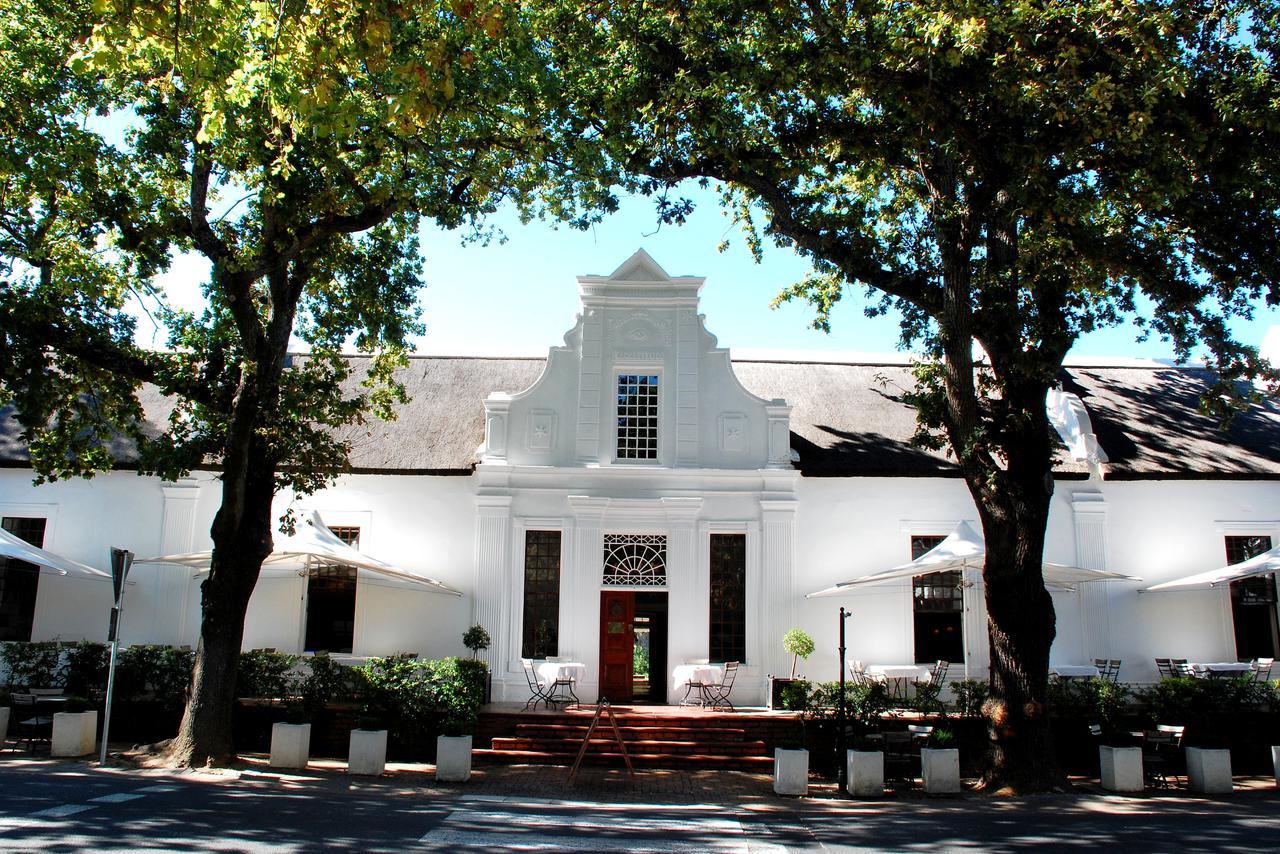
Cape Dutch architecture is one of the Cape Winelands’ defining features: elegant whitewashed homesteads, graceful ”Dutch” gables, and thatched roofs set against vineyards and mountains. Found across Stellenbosch, Franschhoek, Paarl, Tulbagh, and beyond, these historic buildings tell the story of South Africa’s early settlers and remain central to the Wineland‘s charm today.
When I first moved here over 33 years ago, I fell in love with this architectural style, and their love affair continues, especially when updated in an interesting contemporary way.
In this guide, we explore what defines Cape Dutch architecture, where to see the best examples, which wine estates are worth visiting, and where you can stay overnight in one of these beautifully restored homesteads.
What Is Cape Dutch Architecture?
One of the Cape Winelands’ quiet joys is stumbling upon a whitewashed homestead framed by vineyards, mountains, and oak trees. Perhaps its ornate gable casting a dramatic shadow in the late afternoon sun. This is Cape Dutch architecture, a style found nowhere else in the world.
Developed in the Cape during the late 17th and 18th centuries, Cape Dutch architecture grew from European roots. But it was shaped decisively by African conditions. Early Dutch settlers brought their architectural fashions from the Netherlands – such as ornate gables and steep roofs – and adapted them to the Cape climate. Thick whitewashed walls helped keep interiors cool in summer; small-paned shuttered windows controlled heat and light; and deep thatched roofs insulated homes against both summer sun and winter evenings.
Originally very practical, these homesteads became increasingly expressive as wealth grew. Gables evolved from simple firebreaks, to protect the thatch, into decorative statements, often displaying dates, initials, or family crests. Over time, Cape Dutch architecture became not just a building style, but a symbol of settled life in the Cape.
(Indeed the traditional thatched roof of the Cape Dutch homesteads has led to many being lost to fire over the centuries, including two in my own family.)