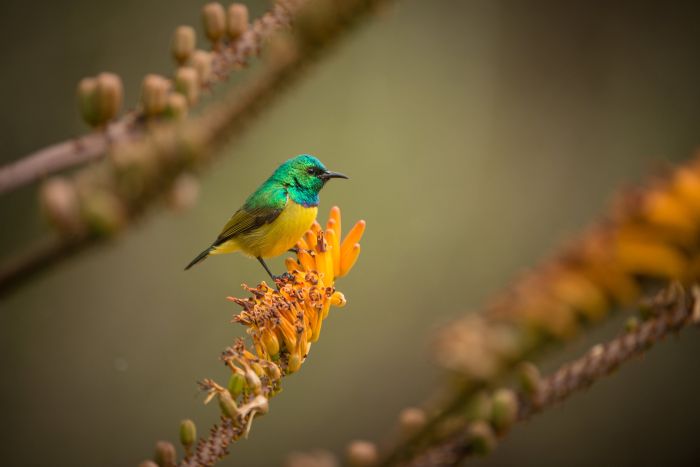
As I head into the better half of my twenties, the overwhelming majority of my peers tend to do one of three things: become an avid runner training for a marathon, start talking seriously about property, or slightly from left field, become really into birding. The first two still feel a bit advanced for my liking, but the birding fits quite neatly into both my work and my lifestyle.
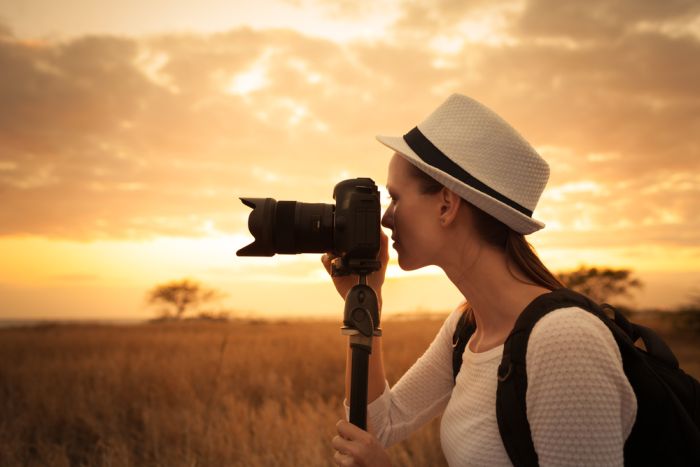
And, as it turns out, birding is a surprisingly effective gateway into photography. Once you start trying to photograph a bird in flight, you suddenly start to care quite a lot about light, positioning and shutter speed.
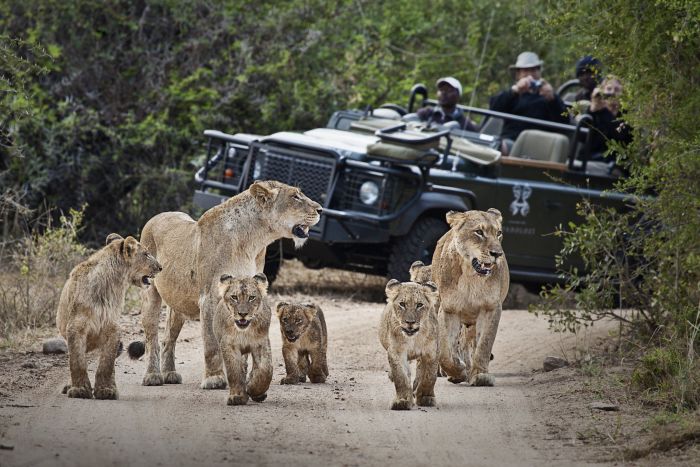
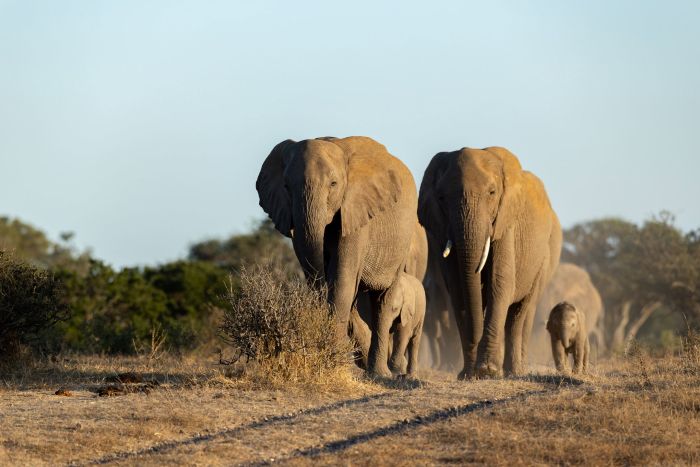
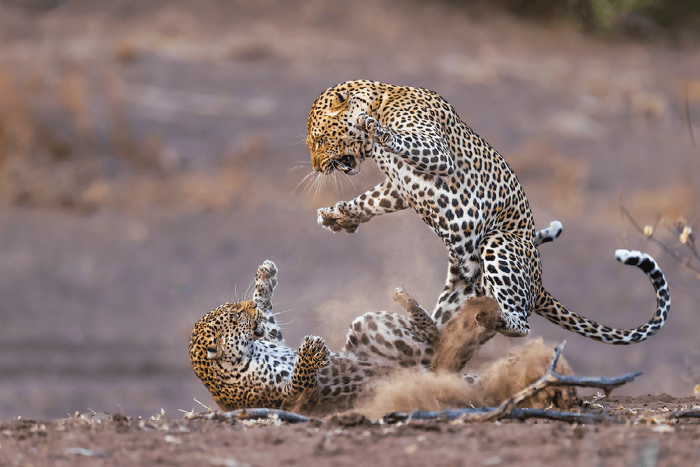
As privileged as I am to go on many safaris for my job, not every game drive delivers a leopard draped photogenically over a branch or a herd of elephants walking towards you at sunset. Photography makes you look harder at the smaller details that you might otherwise drive straight past, and those are the moments that tend to make the most interesting photographs.
The best safari photographs usually come down to patience, positioning and understanding the light rather than having the best zoom lens. Listen to your guide, give yourself time at sightings and remember to be ready before the action happens. Have a look at our dedicated Photography Tips here.
What actually makes a lodge good for photography?
All safari lodges offer plenty of opportunities for photography simply by virtue of being surrounded by wildlife, often with a waterhole or river close by.
But some lodges are much better suited to keen or serious photographers than others. These are some of the particular attributes that we look for when considering the best places to send keen photographers.
Camera equipment available to hire or use, particularly long lenses and additional camera bodies
Dedicated photographic guides or tutors who understand positioning, light, camera settings and animal behaviour
Sunken photographic hides which allow you to have a completely different perspective/viewpoint
Availability of private vehicles on request (usually for an additional cost), even if they are not specially adapted photographic vehicles
Photographer-friendly vehicles, with beanbags, camera mounts or removable doors
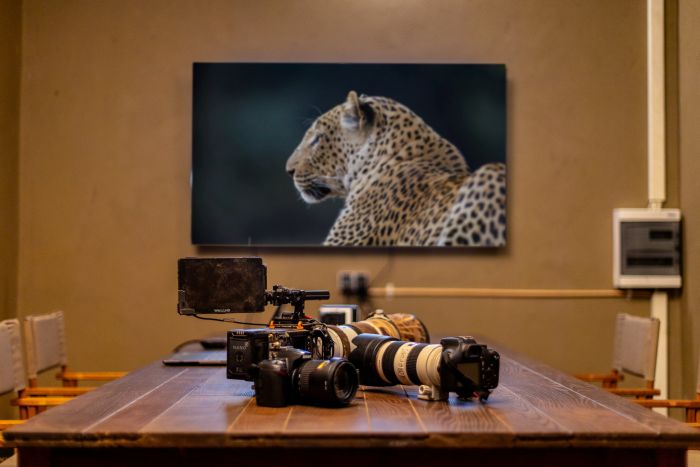
Editing facilities or photographic studios for reviewing and working on images
Low vehicle numbers and flexible traversing, which can make just as much difference as any piece of equipment
Of course, no lodge needs to tick every one of these boxes to be a great choice for photographers. Sometimes, it is the specialist equipment and guidance that sets a lodge apart, in other cases it is simply the quality of the guiding, the freedom to spend longer at sightings or the setting itself. With that in mind, these are some of our favourite lodges for photographers, from the fully kitted-out to those that simply put you in the right place at the right time.
Planning a safari where photography is a priority?
Talk to one of our Africa specialists about the lodges, private vehicles and photographic experiences that would suit you best.
Contact Us!
Our Favourite Photographic Safari Lodges
1. For the serious wildlife photographer
These are the lodges where photography can genuinely shape the safari, with specialist vehicles, guides, equipment and facilities designed around getting the shot.
The Sabi Sands is already renowned in the safari world for excellent predator viewing, particularly leopard, but Londolozi takes things several steps further for the photographers. Londolozi has private photographic vehicles, specialist photographic tutors, camera and lens hire as well as a dedicated Photographic Studio.
Though the formal tuition occurs only with the private photographic safari vehicle, all of Londolozi’s guides are generally very conscious of positioning, light and angles regardless of whether you have the vehicle to yourself. The tutored safari experience at Londolozi provides an incredible opportunity for those wanting to make photography the main focus of their safari. Included with their tutored experience, you are also able to go home with four high format canvas prints of any side, to commemorate your incredible time spent at Londolozi. What we like most is that Londolozi has thought through the whole photographic journey, from getting the shot in the field to editing and printing it afterwards, making the process feel remarkably seamless.
Mashatu offers one of the more unusual photographic experiences on this list. Mashatu sits in a wonderfully varied corner of the Northern Tuli Block, with open plains, riverine forest and rocky ridges. Though the Tuli Block tends to be the lesser travelled parts of Botswana, Mashatu knocks photography out of the park.
Through the dedicated photographic portion of Mashatu, PhotoMashatu, serious photographers can make use of dedicated photographic vehicles and specialist hides. For those wanting to really immerse in the photographic opportunities, the Lala Limpopo sleep-out hide adds another dimension, with a photo guide on hand and the chance to keep shooting as the light changes into evening and then again in the very early morning.
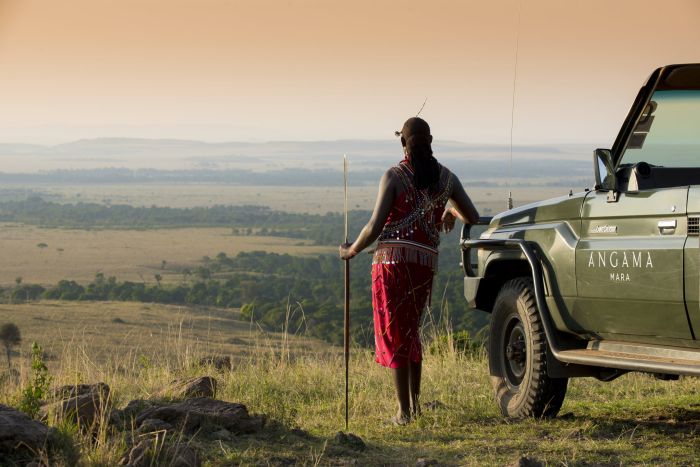
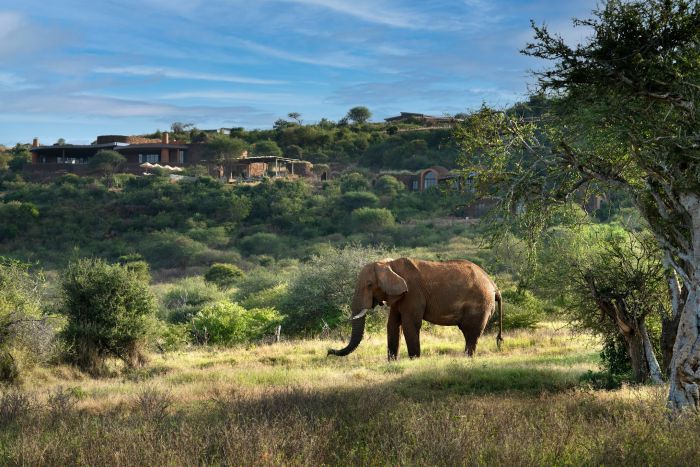
Angama combines one of Africa’s most famous wildlife areas with a genuinely useful photographic set-up. Set overlooking the Mara Triangle, Angama Mara combines classic open Mara plains with abundant wildlife and the seasonal Great Migration.
The open plains of the Mara make wildlife easier to photograph cleanly, while Angama’s position high on the escarpment provides plenty of opportunity to turn the camera away from the animals too.
Angama Mara’s Photographic Studio offers complimentary tutorials and editing sessions, professional camera and lens hire and the opportunity to arrange a specialist photographic guide. There are also large-screen computers loaded with editing software for those who would rather deal with the thousands of images accumulating on their memory cards before getting home.
2. Where the lodge helps you get the shot
These lodges work particularly well for keen photographers who value expert guidance, hides or practical support without necessarily wanting a fully dedicated photographic safari.
The Hide is a very easy lodge to recommend to keen photographers. Hwange is particularly rewarding in the dry season, when wildlife gathers around permanent water, and The Hide’s position beside one of these waterholes means some of the best photographic opportunities can happen without even leaving camp.
Its underground hide sits beside the camp waterhole and allows guests to photograph wildlife from an unusually low perspective and often at a remarkably close range.
Having just spent time at Jaci’s, I can clearly attest to how incredible the sightings and guiding are. You don’t need to know your f-stop from your ISO to appreciate the Terrapin Hide at Jaci’s.
An underground tunnel takes you directly to water level, where elephants, buffalo and birdlife can appear almost at eye level just metres away. It does much of the hard work for you: get the composition vaguely right and Madikwe provides the subject.
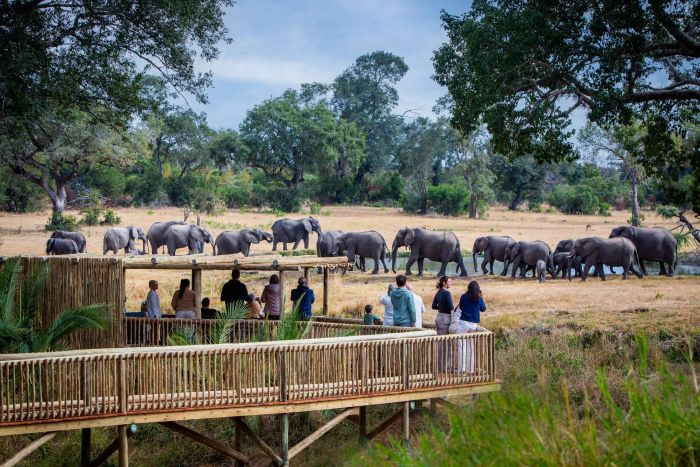
At the other end of the spectrum, the elevated Thutlwa Deck gives sweeping views across the reserve, particularly around sunrise and sunset. Beig able to sit here whilst the sun was setting and watching herds of elephant walk towards the waterhole was incredible. Together these two spots provide two very different perspectives without requiring guests to dedicate their entire safari to photography.
Fun Add-on: Jaci’s now has a live feed of the waterhole and their “delta-like” marsh in the Main Lodge, so if you see something great, you can get to the Hide quickly!
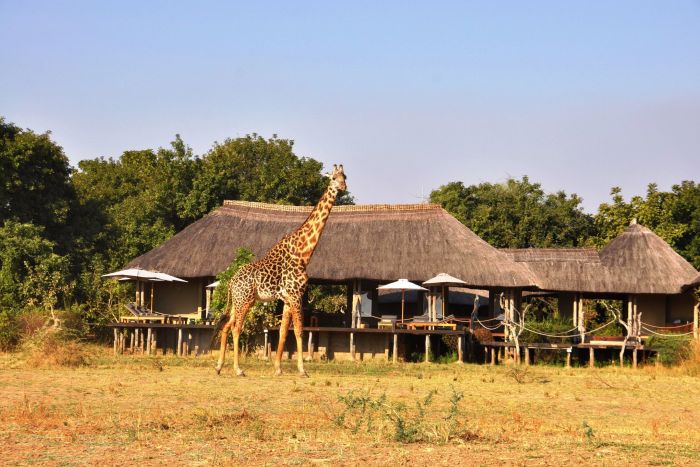
The South Luangwa setting tends to be every photographer’s dream. The riverine woodland, open plains, lagoons and excellent predator viewing allow for wonderfully varied photography.
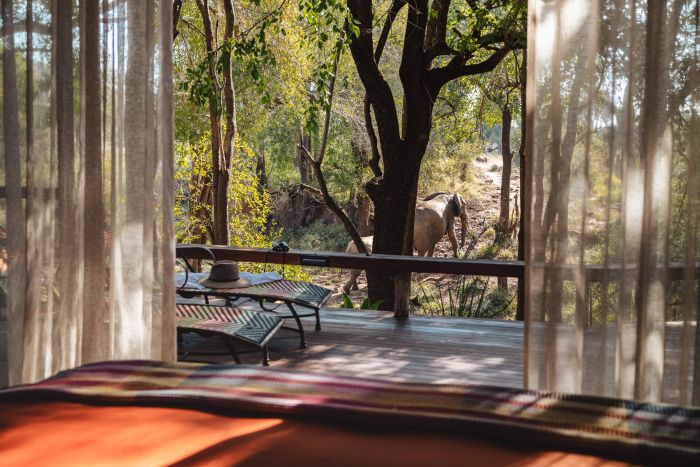
The waterhole directly in front of the camp also gives photographers plenty of opportunities without even heading out on drive. The wider Nsefu area also provided the setting for the BBC’s Kingdom, a reminder that the Luangwa’s appeal lies as much in the stories unfolding between animals as it does in individual sightings.
Not sure which photographic safari is right for you?
We can compare the different lodges & reserves based on what you most want to photograph, your experience level & whether photography is the main focus of the trip.
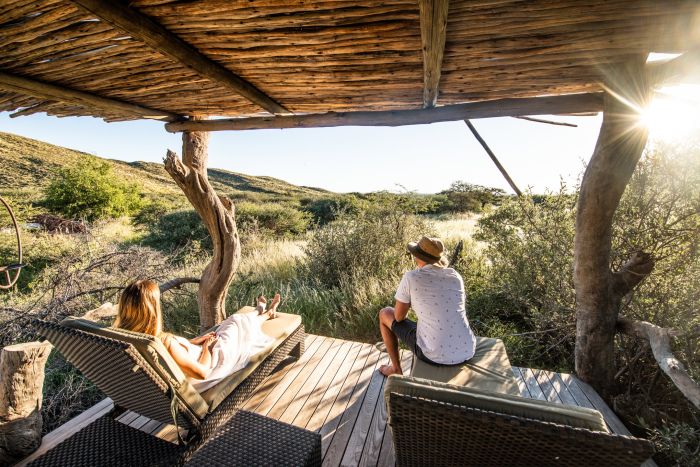
Tswalu’s red dunes, grassy plains and Korannaberg Mountains make the southern Kalahari particularly strong for environmental photography. The large expanses of private wilderness and unusual desert species provide an experience you just do not get in the more traditional safari regions.
One of the incredible selling points of Tswalu is that every booking already includes a private vehicle and guiding team, giving guests the luxury of spending as long as they like at a sighting. Tswalu has also gone the extra mile by having a dedicated photographic safari vehicle with a specialist guide.
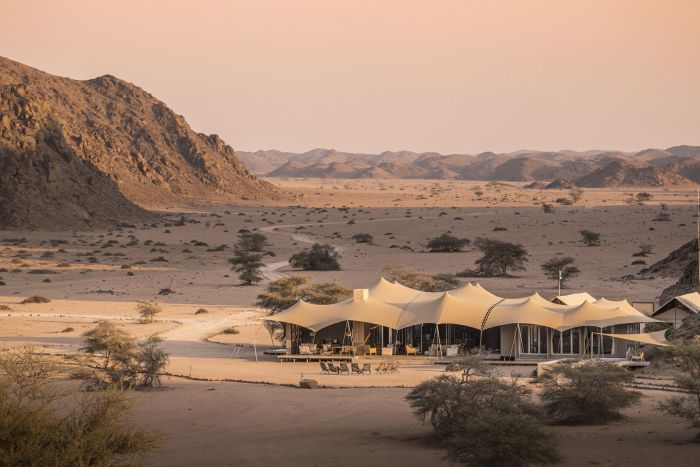
Hoanib is perfect for photographers who are just as interested in the landscape as the wildlife. The Hoanib Valley is filled with dry riverbeds, gravel plains, dunes and enormous skies create breathtaking images that I can guarantee not everyone has when coming back from a regular safari.
This isn’t somewhere we’d send you primarily for frame-filling portraits. It is for the photographer who wants an elephant to provide scale to the landscape, rather than have the landscape cropped out behind the elephant.
Suyian earns its place here because there is simply so much variety to photograph. Set within a 44,000-acre private conservancy in northern Laikipia, the landscape shifts between open plains, rocky outcrops, river valleys and distant views towards Mount Kenya.
The wildlife adds another layer. Northern Kenyan species give photographs a very different feel from the more familiar Mara or Kruger scenes, while the elusive black leopard adds a particularly exciting possibility to capture. Similar to Sabi Sabi, what makes Suyian such a good all-rounder, though, is that photography does not have to dominate the trip. The scenery, safari activities and beautifully designed lodge give non-photographers plenty to enjoy, while keen photographers still come away with far more than a memory card full of tightly cropped animal portraits.
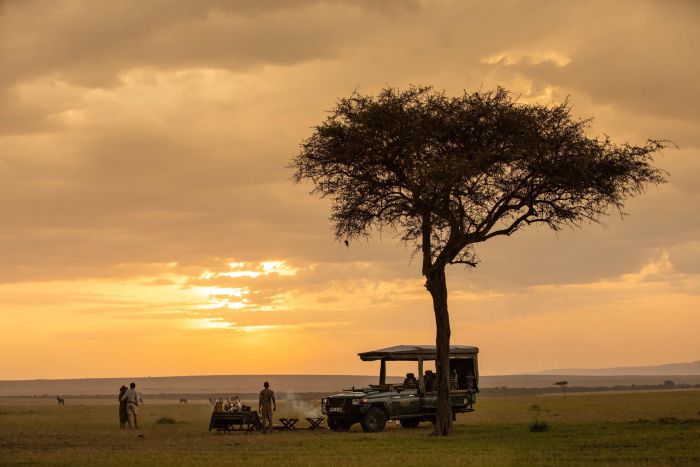
Mara Plains is located in the Olare Motorogi Conservancy, offering excellent wildlife viewing with far fewer vehicles than you would typically encounter ion the main Mara Reserve.
One of the big advantages is that guests have access to high-quality Canon camera equipment, so you can experiment with incredible gear without carrying half a camera shop through the airport.
Sabi Sabi Bush Lodge is a very easy recommendation when photography matters, but not enough to dictate the entire safari. The Sabi Sands is already one of South Africa’s strongest wildlife areas, particularly for close predator sightings, and that alone gives photographers plenty to work with.
Sabi Sabi can also arrange specialist photographic hosts who help with everything from angles and camera settings to post-production, while equipment rental is available if you do not fancy travelling with your entire camera cupboard.
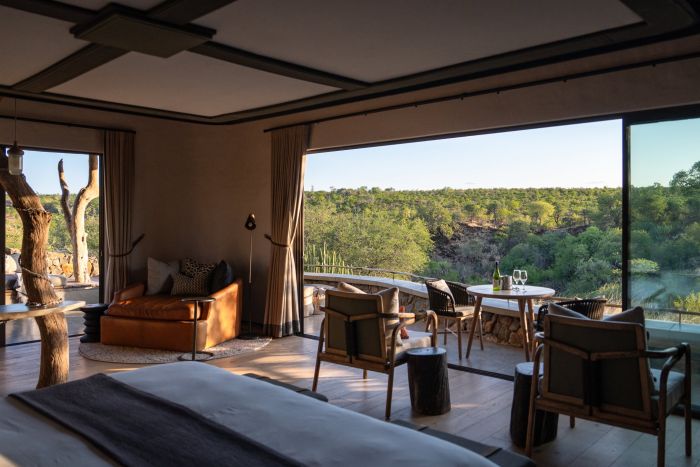
What we particularly like about Bush Lodge is that it remains a very rounded safari experience. There are two pools, a spa, plenty of space to relax and a lively, family-friendly atmosphere, so nobody travelling with the photographer has to feel as though they have accidentally signed up for a workshop. For couples or families where one person is more serious about photography than the others, it strikes a very comfortable balance.
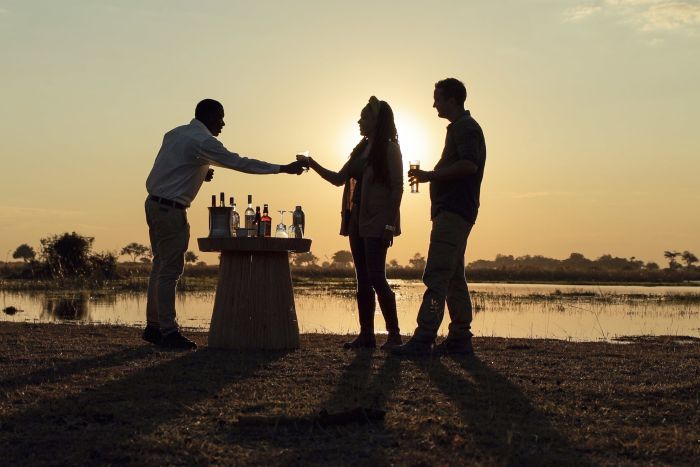
Shinde Footsteps is perhaps the least obvious “photographic lodge” of the three, which is precisely why we like it here. The camp is less about surrounding you with all of the gadgets and more about giving you different perspectives to view the Delta from. The camp sits on the Shinde Private Concession on the northern edge of the Delta.
The real strength of the camp is the chance to photograph the Okavango as a complete environment. From this small camp you can head out on foot, explore by mokoro or take a game drive through the Shinde Private Concession.
There is also a dedicated editing suite back at the camp. We particularly like it for photographers who know what they are doing but still want the freedom to put the camera down occasionally and simply enjoy being in the Okavango Delta.
Planning a photographic safari in Africa?
You do not need to know which lodge, reserve or country is right before speaking to us. That is the bit we can help with.
Tell us how serious photography is to the trip. Are you travelling specifically to photograph wildlife, or is photography simply an important part of a wider safari?
Tell us about your equipment and experience. Let us know what you normally shoot with, how confident you are and whether you would value specialist tuition, camera hire or help with editing.
Tell us what you most want to photograph. Big cats, elephants, birds, landscapes and dramatic desert scenery can all point us towards very different destinations.
Let Cedarberg Africa join the pieces together. We will match the right lodge, guiding set-up and photographic experience with the rest of your African safari.
Talk to us about your photographic safari in Africa and we’ll help work out where to go, what level of photographic support you need and how much of the trip you want to devote to getting the shot.
Frequently Asked Questions on Photographic Safaris in Africa
1. Do I need to be a professional photographer to go on a photographic safari?
Not at all. Many photographic lodges cater just as well to keen amateurs who want to improve as they do to experienced photographers travelling with serious equipment. The key is choosing the right level of support. Some lodges have dedicated guides, studios and vehicles, while others simply provide excellent guiding and private vehicles.
2. Do I need a private vehicle for a photographic safari?
You do not necessarily need one, but it can make a substantial difference if photography is the main focus of your safari. A private vehicle gives you control over how long you stay at a sighting, where the vehicle is positioned and when you move on. It is particularly useful if you are travelling with large lenses or want to spend considerably longer photographing one subject than the average safari-goer might. For very serious photographers, we would usually recommend budgeting for a private vehicle where possible.
3. What is the best time of year for a photographic safari in Africa?
There is no single best time, as it depends on what you most want to photograph. The dry season generally makes classic wildlife photography easier, with thinner vegetation and animals gathering around permanent water. Green Season can be far more rewarding for photographers interested in rich colours, birds, newborn animals and landscapes. For us, the more useful question is not simply “When is best?” but “What sort of photographs do you want to come home with?”.
4. Are photographic safaris suitable if my partner is not a photographer?
Absolutely. This is where choosing the right lodge becomes particularly important. Some specialist photographic camps are designed around spending long periods at sightings, hides or editing images, which may not appeal equally to everyone. Other lodges offer excellent photographic support while still providing a broad safari experience with game drives, walking, spa treatments and other activities.
5. Can I hire camera equipment on safari?
Yes, at selected lodges. Some of Africa’s better-known photographic lodges offer camera bodies, long lenses and other equipment either for hire or for guest use. This can be particularly useful if you want access to a longer lens without travelling internationally with a large amount of expensive equipment. However, availability varies considerably between lodges, so this is something we would always check in advance rather than assuming equipment will be available when you arrive.
6. Are photographic hides better than game drives?
Not necessarily, they simply offer a different perspective. A sunken hide can bring you down to eye level with wildlife and allows you to wait quietly for animals to come to you. Game drives, on the other hand, give you more freedom to follow wildlife and work with changing light and behaviour. For serious photographers, some of the most rewarding safaris combine the two rather than choosing one over the other.
“Best Photographic Safaris in Africa” blog was written by Madeleine of Cedarberg Africa
Maddy is the Cedarberg Africa’s Product Manager, and helps to research, develop and refine the experiences and itineraries we recommend to our clients.
Maddy is constantly looking at what is new, what is worth recommending and how different properties and experiences fit together to create a well-rounded African journey. She brings a thoughtful and practical perspective to her work, with a particular interest in finding those special places and experiences that offer something a little different.
Cedarberg Africa is a specialist tour operator for Southern and East Africa, creating upmarket tailor-made safaris for discerning travellers. With a team of experienced safari specialists and first-hand knowledge built over decades, we combine personal insight with carefully researched recommendations to create journeys that are right for each individual client.