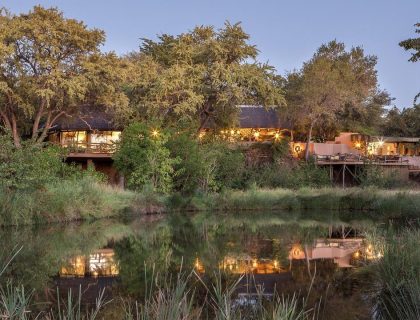
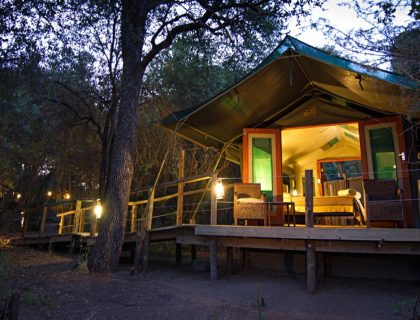
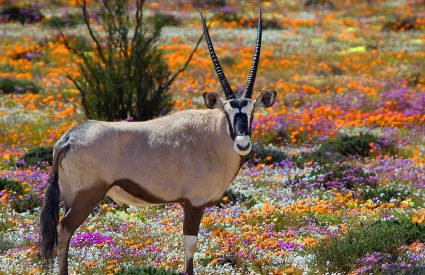
Mashatu is a wild and rugged landscape of savanna, open plains and sandstone koppies. It offers great game viewing with large herds of elephant and many predators such as lion and leopard.
Mashatu Game Reserve is a wild and rugged landscape of savanna, open plains and sandstone koppies in the Tuli Block of Southern Botswana. It offers great game viewing with large herds of elephant and many predators such as lion and leopard.
Mashatu lies within the Tuli Game Reserve, also known as the Tuli Block. Though a lesser-known region, it still rewards those willing to venture slightly off the classic safari circuit with great game viewing. You have a strong chance of seeing large herds of elephant and many predators such as lion, leopard or cheetah.
Mashatu - home of Botswana Adventure Safaris
Mashatu is also distinctive in offering more adventurous safaris. As well as day and night 4×4 game drives, it offers mountain bike safaris, horse-riding safaris, walking safaris. Plus Mashatu has very good specialist photographic safaris with ground-level hides at some waterholes for really eye-catching shots.
How to get to Mashatu or the Tuli Block?
Mashatu and whole Tuli Block is unusual, in that it is actually accessed via Johannesburg in South Africa. There are various ways to get there:
Self-drive to Pont Drift border post (where you can securely park the car) and then continue over the river with an onward 4x4 transfer to the lodges. We suggest you break the journey en route in the Waterberg or Welgevonden.
Road transfer either from Johannesburg (allow 5 hours) or Polokwane (2+ hours.)
Seat in charter flight from Johannesburg (but please note that this is very expensive!)
This positioning makes Mashatu an excellent addition to a South African itinerary, particularly when combined with northernKruger or the Waterberg.
Frequently Asked Questions
What makes Mashatu different from other Botswana safari areas? Its focus on active experiences, including mountain biking, walking and horseback safaris, sets it apart from more traditional safari regions.
Can Mashatu be combined with South Africa? Yes — it’s easily accessed via Johannesburg and pairs well with the Waterberg, Kruger or even Cape Town.
Is Mashatu good for photographic safaris? Excellent. Its ground level hides and open landscapes provide unique opportunities, particularly for elephant and predator photography.
Why We Love It
Mashatu is easily accessible from Johannesburg
It combines well with the Waterberg and northern Kruger safaris
Mountain biking safaris
Game-viewing on horseback
Photographic safaris with water-level hides at some water-holes
Chance to join predator and elephant researchers for a half day
Perhaps visit Mapungubwe National Park en route?
On The Map
When to visit Mashatu Game Reserve in Tuli Block
Summer in Mashatu Game Reserve
This is the Summer rainy season. The wildlife tends to be more dispersed and harder to spot. However Mashatu, being in the far south of Botswana, has a very different climate from further north. Its also very hot, being semi-arid, as there is not enough rain to really cool it down.
This is considered the shoulder season as the summer rains stop. It’s not as hot during the day, especially by May, and the animals start to congregate around the water holes to drink
Traditionally this is the best time to visit as the dry season continues. Note that June and July night-time and early morning temperatures can be very chilly given the semi-arid nature of the landscape.
The roads start getting dusty and the sky is hazy due to the amount of dust in the air. The scenery tends to become less beautiful as the dry season continues.
In contrast temperatures heat up quickly in late September and October prior to the start of the summer rains. Make sure you are comfortable with heat if you travel in October!
October and early November tends to be very hot and dry but with good game-viewing. Somewhere in November, the summer rains start.
Then the scenery changes back to green, baby animals start being borne and birding is excellent with the arrival of summer migrants.