Best Time for Safari – Green Season Safaris (Jan to March)
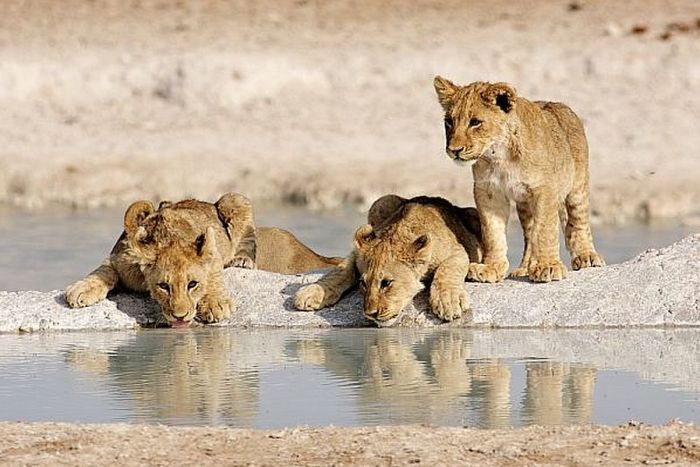
The green season is Southern Africa at its most lush and atmospheric. Rainfall refreshes the landscape, skies are dramatic, and many animals give birth during this period.
From a safari perspective, this is a different style of experience, rather than a lesser one.
What the green season is best for:
- Butterflies, flowers and colourful insects.
- Photography, especially at dawn and sunset
- Birding, with migratory species in breeding plumage
- Baby animals and seasonal wildlife behaviour
- Fewer vehicles and a quieter feel
- Excellent value in many countries
Heading to South Africa during our Summer Green Season?
Sounds like a great idea! Tell us what you have in mind & we'll create a tailor-made itinerary for you
Contact Us NowReality check for game viewing
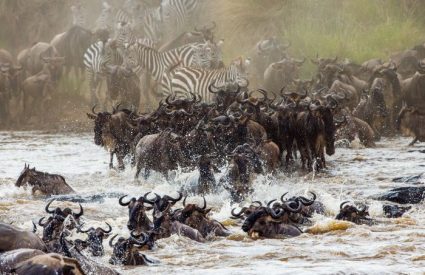
Vegetation is denser and wildlife more dispersed, so this usually means you’ll work a bit harder for your game sightings.
Rain typically falls as short, heavy downpours – often in the afternoon, rather than continuous drizzle. The afternoon rains bring slightly cooler weather – you might even need a sweater after the rains – though days are hot and sunny.
Practical notes
It’s also worth noting that some camps in flood-prone regions of Zambia and Zimbabwe – such as Mana Pools, Lower Zambezi, South Luangwa and the Busanga Plains of Kafue – close during the wettest months. This is typically from December to April/May.
Similarly parts of northern South Africa – around the Kruger – can occasionally experience heavier rainfall in January or February.
Mosquitoes could be a problem for some people. It is also hot and humid, though much cooler during and after the rains.
Recommendation:
Best suited to travellers who value atmosphere, photography and birdlife — and who are not chasing the most intense dry-season game density.
Great time to have an escape the winter trip to Cape Time and the Winelands. But choose your safari destination wisely. We recommend the Eastern Cape or Welgevonden. However, if you are coming to Southern Africa ONLY for a safari, consider travelling at a different time. Unless you are a keen birder.
Shoulder Season Sweet Spot: April to May
As the summer rains ease, usually from late March onward, safari conditions begin to shift again.
Vegetation remains fresh, but wildlife gradually starts returning to rivers and permanent water sources. Sightings become more consistent than during peak green season, while camps are often quieter and rates more attractive than later in the dry season.
This period offers:
- Improving game viewing
- Comfortable temperatures
- A more exclusive feel
- Better value than peak season
Recommendation:
April and May are often considered a sweet spot — ideal if you want improving safari conditions without peak-season pricing or pressure. Plus a reasonable time to combine with a sight-seeing or active holiday in the rest of South Africa or Namibia.