Chobe National Park
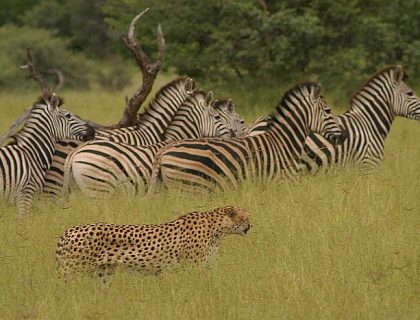
Chobe is teeming with animals: huge herds of elephant, buffalo and their chasing predators come to this mighty river to drink...
Scroll for more
Chobe is teeming with animals: huge herds of elephant, buffalo and their chasing predators come to this mighty river to drink...
Scroll for more
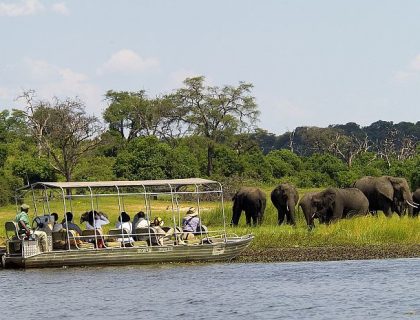
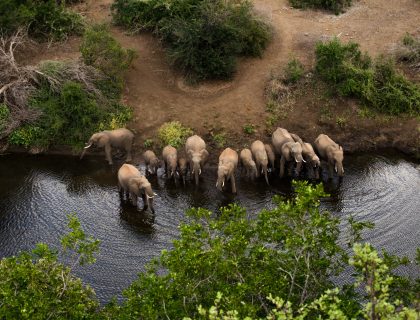
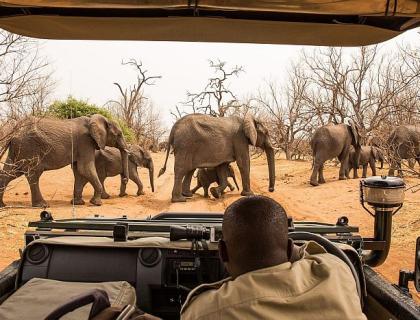 In the far north-east of Botswana lies Chobe National Park. It teems with animals, especially huge herds of elephant and buffalo. Indeed the elephant population, estimated to be 30,000, is the largest concentration in Africa. It’s not unusual to see herds of up to 500 elephant at the river at the end of the dry season when water becomes a lifeline. And now large prides of lions have learnt to hunt them which adds to the safari excitement.
Below we have played slightly fast and loose with Chobe’s boundaries. As within ''our'' Chobe we include three distinct areas:
Our Chobe safaris focus on these three areas. As this is where the game lodges and camps are concentrated.
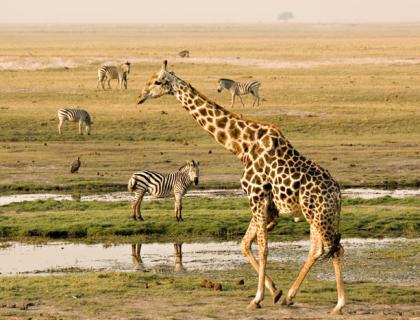
The key to understanding Chobe lies in the complex animal migrations. These follow an ancient pattern, only partly understood by man. Very broadly speaking, the game is drawn to the Chobe and Kwando rivers, with their verdant floodplains, during the dry winter season. Then during the wetter summer months, it spreads out to the open grasslands of the Savute marsh, the pans of the Mababe depression. And the western private concessions of the Linyanti.
A Chobe safari is easily combined with Victoria Falls, only 1½ hours away by road. So some people tack a two night safari in Chobe onto a Victoria Falls visit.
Then from Kasane airport you can fly easily to the Okavango Delta or to Savute. Many of our Botswana safaris combine the Chobe with a few days in the Delta.
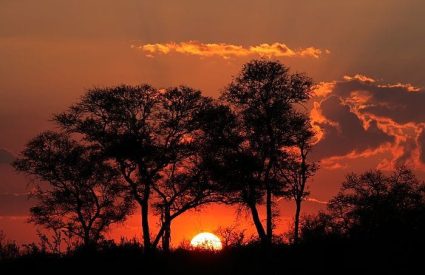
So you want to go to Botswana, but what does a Botswana safari cost? Botswana is one of the most
READ MORE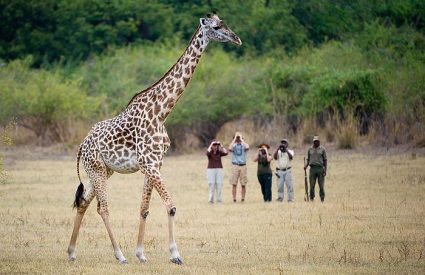
Botswana, Zambia, and Zimbabwe are all exceptional safari destinations in Southern Africa — but they shine in different ways. Many
READ MORE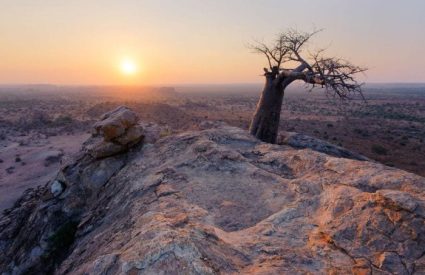
Botswana rewards travellers who venture beyond its best-known safari circuits. From desert pans in the Central Kalahari to island lodges
READ MORE
Only the best African travel advice, tidbits and tours. No nonsense.