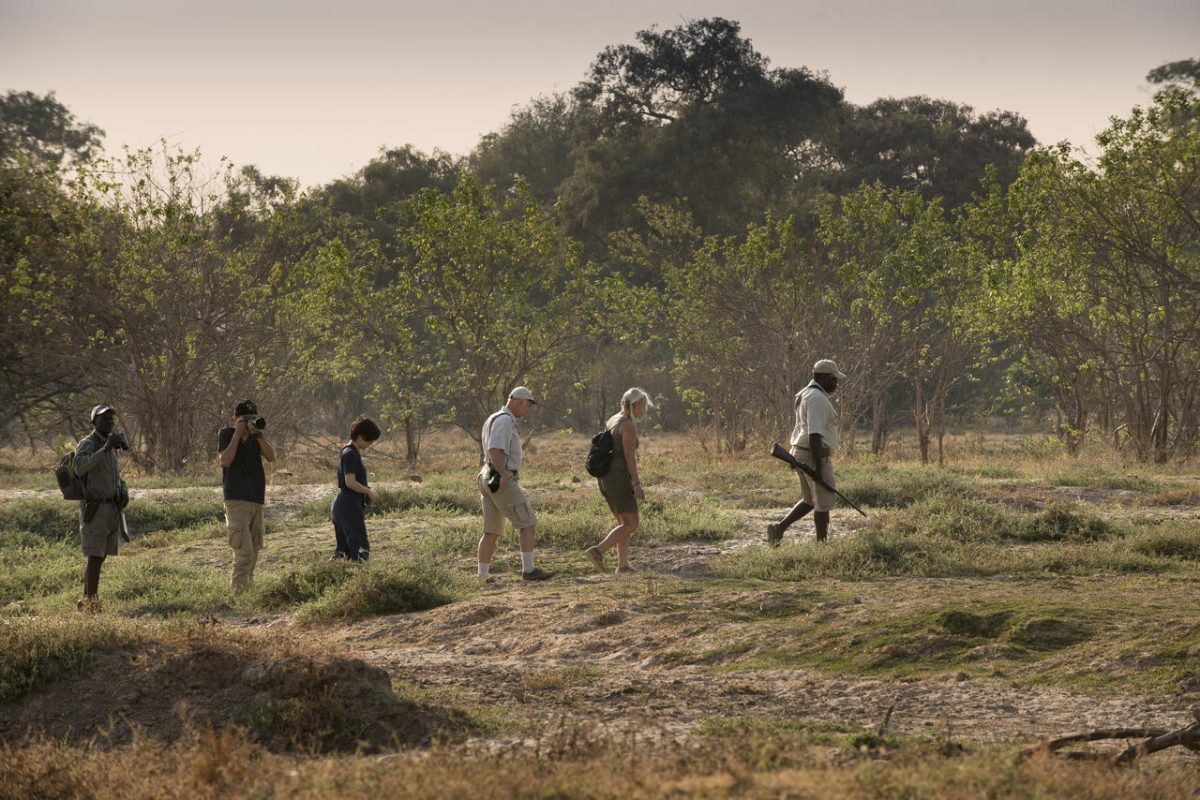
Walking safaris in Zimbabwe are not simply game drives without a vehicle. They change the entire rhythm of safari.
At first, the experience can feel surprisingly slow. Your guide pauses often: beside a fresh set of lion tracks pressed into the dust, the alarm call of a francolin somewhere ahead, or a half-chewed ana pod dropped by an elephant earlier that morning. Gradually, your focus shifts. You stop searching for “wildlife sighting” in the distance and begin noticing the bush itself.
Then, almost without warning, everything sharpens.
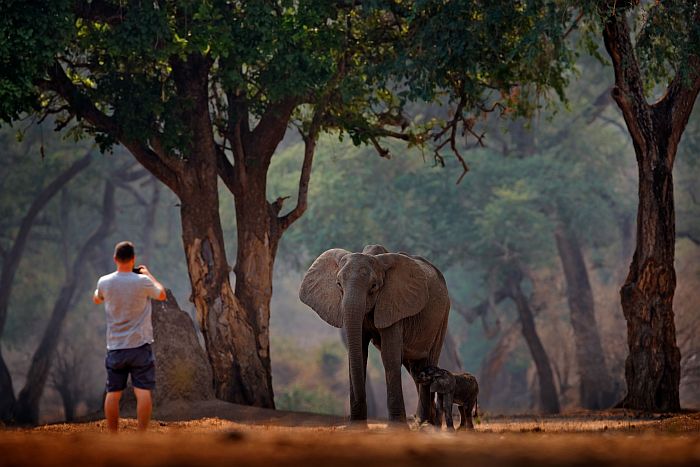
A bull elephant emerges quietly through the winter thorn trees in Mana Pools. You hear the soft crack of ana pods beneath his feet before you properly see him. Somewhere behind you, a guide murmurs for the group to stay close. Nobody reaches for their phone. Nobody speaks. For a few minutes, you are not simply observing the wilderness; you are moving through it.
This is what makes Zimbabwe such an extraordinary walking safari destination. Few countries combine such high guiding standards with landscapes that feel genuinely wild, uncrowded and wonderfully varied. From the riverine forests of Mana Pools to the teak woodlands of Hwange, Zimbabwe’s best walking safaris offer something increasingly rare in modern safaris: immersion rather than spectacle.
And much of that comes down to the guides themselves. Zimbabwe’s professional guides are widely regarded among the finest in Africa, known not only for their bush knowledge and tracking skills, but for their calm judgement, storytelling and ability to help guests slow down and truly absorb the landscape around them.
Why Zimbabwe Works So Well on Foot
1. Why Zimbabwe’s Guides Matter So Much
One of the reasons walking safaris feel so natural in Zimbabwe is the extraordinary calibre of their guides. Zimbabwe’s guiding qualifications are famously demanding, often taking several years to complete, with trainees expected to master everything from animal behaviour and tracking to bird calls, botany and safety procedures.
These aren’t just wildlife guides – they’re storytellers, conservationists, and experts who’ve dedicated years to mastering their craft.
But what guests tend to remember most is not the exams. It is the quiet confidence that good guides inspire.
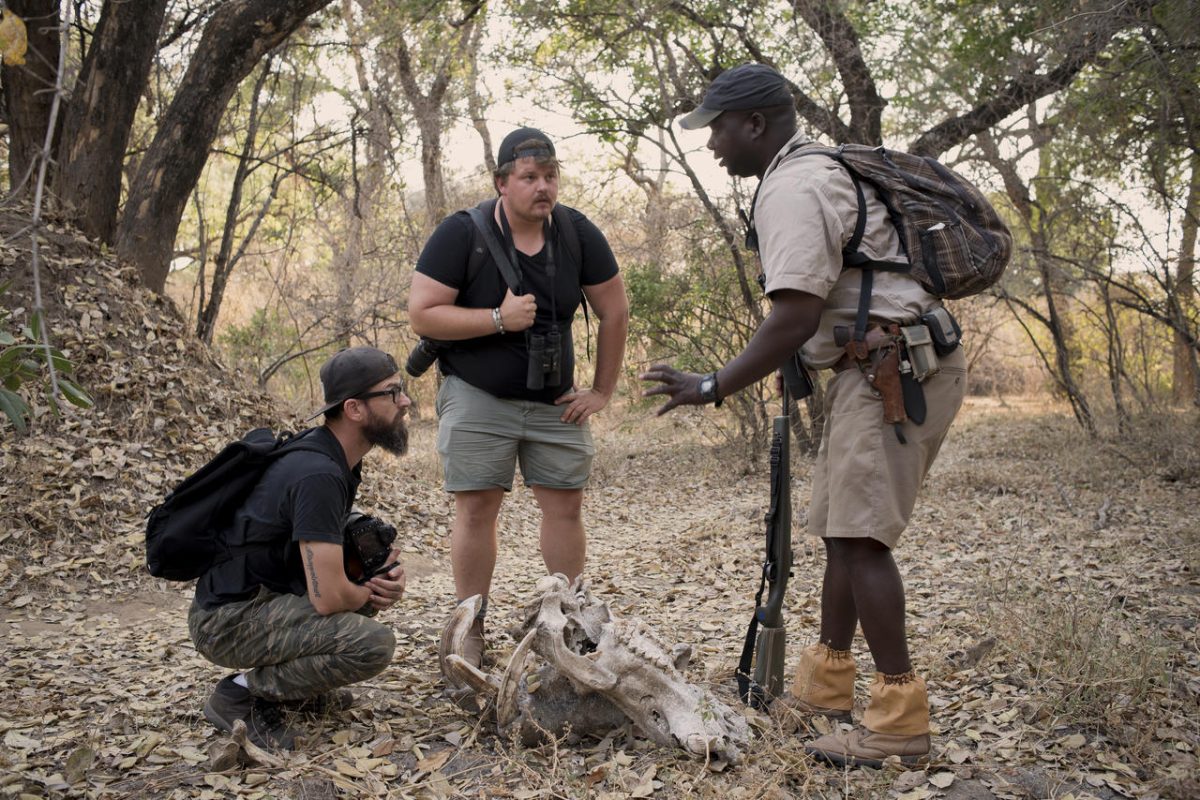
On foot, the relationship between guide and guest changes completely. In a vehicle, most people feel like observers. Walking through the bush requires a greater degree of trust. Trust that your guide understands the terrain, can read animal behaviour (sometimes with uncanny accuracy), and knows when to approach, pause or quietly retreat.
The best Zimbabwean guides have an extraordinary ability to make the bush feel both thrilling and calm at the same time. One moment they are explaining how to distinguish fresh lion tracks from older prints in the dust; the next, they are gently repositioning the group as a herd of elephants moves closer through the trees.
And often, it is the smaller details that stay with you longest. Learning why baboons suddenly fall silent. Watching a guide notice the faint scent of wild sage crushed underfoot. Understanding how the direction of the wind can change an encounter entirely.
A good walking guide teaches you how to experience the bush differently, and what to notice.
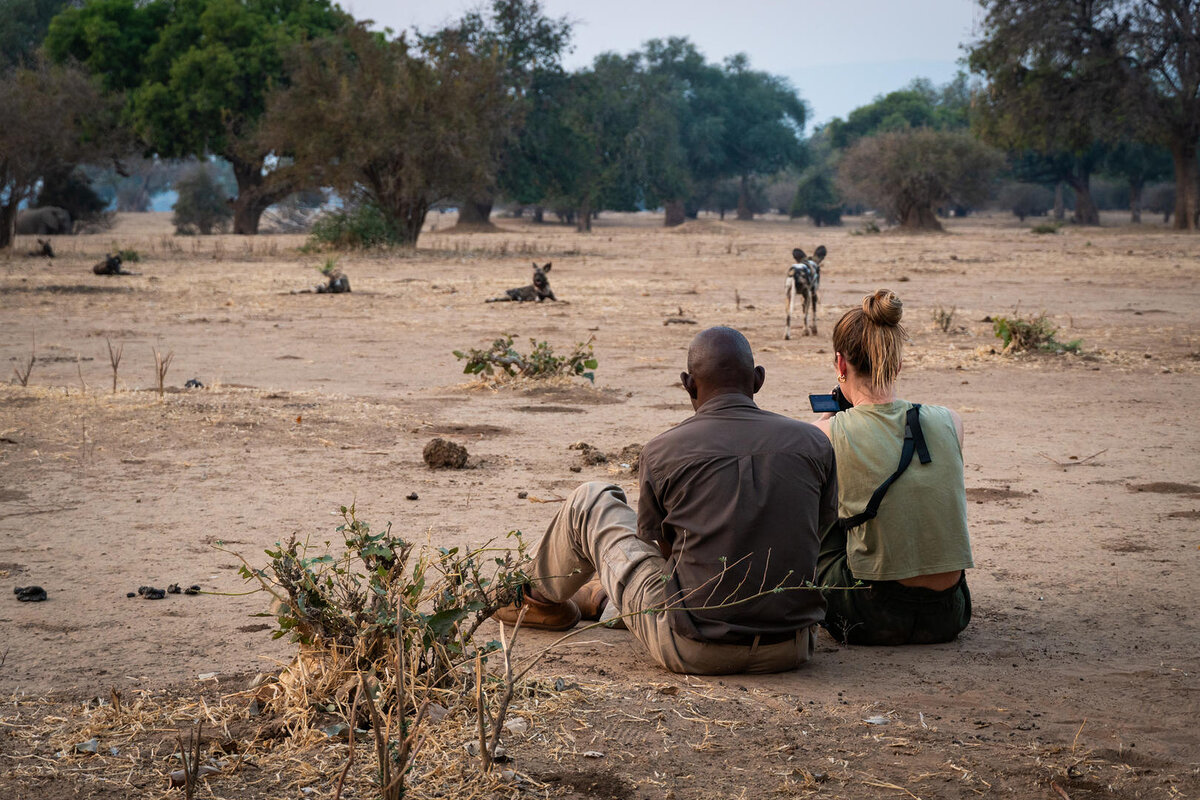
“I had complete trust in my guide at Imvelo safaris. We combined game drives and walking safaris in a seamless way which felt both natural as well as exhilarating, culminating in a very close encounter with some wild dogs on foot.” – Kate, Director of Cedarberg Africa