East Africa vs Southern Africa Safaris: Which should you choose?
This issue of whether to go on safari in East Africa or Southern Africa is a perennial question for many 1st-time safari-visitors. And so, it’s worth exploring as it’s really important that you know what to expect when planning your safari trip.
Africa isn’t one homogenous safari destination; it’s a continent of striking contrasts. The landscapes shift from golden savannas to lush waterways, and from desert dunes to mountain forests. And nowhere is this diversity more evident than when comparing East Africa and Southern Africa.
Both regions deliver exceptional safaris. But they do so in very different ways.
A Quick Clarification
East Africa: Primarily Kenya and Tanzania (with Rwanda and Uganda often considered separately for gorilla trekking).
Southern Africa: South Africa plus Botswana, Namibia, Zimbabwe, Zambia, Mozambique, and Malawi.
(The continent of Africa can contain China, India, USA and most of Europe all put together!)
East Africa vs Southern Africa Safaris: Key Differences Explained
1) Scenery: Wide Horizons vs Diverse Landscapes
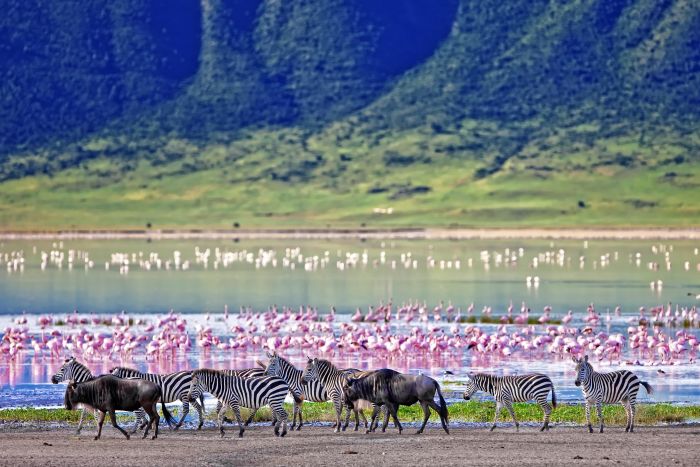
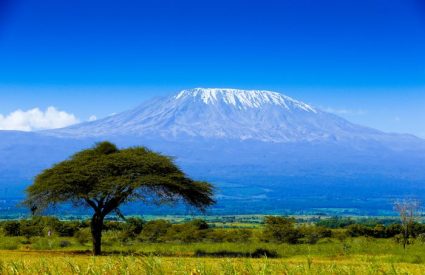
At first glance, there seems little to beat the majestic terrain of the Serengeti, Masai Mara or the Ngorongoro Crater in East Africa if you are thinking of that classic picture-postcard image of Africa.
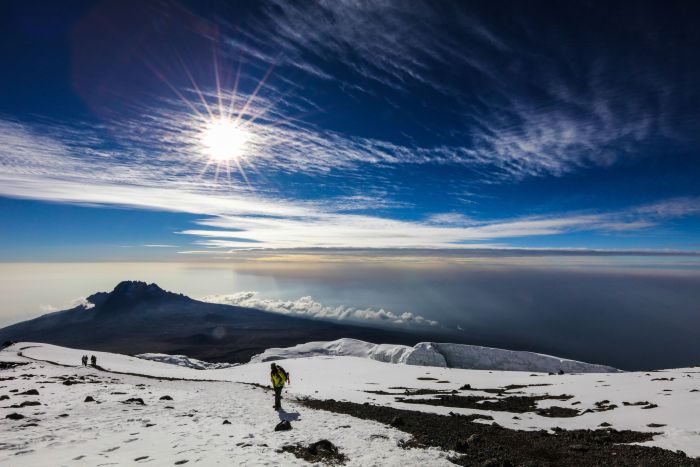
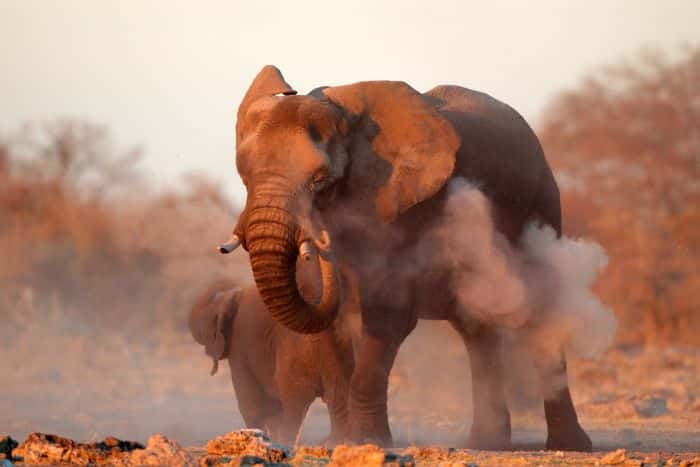
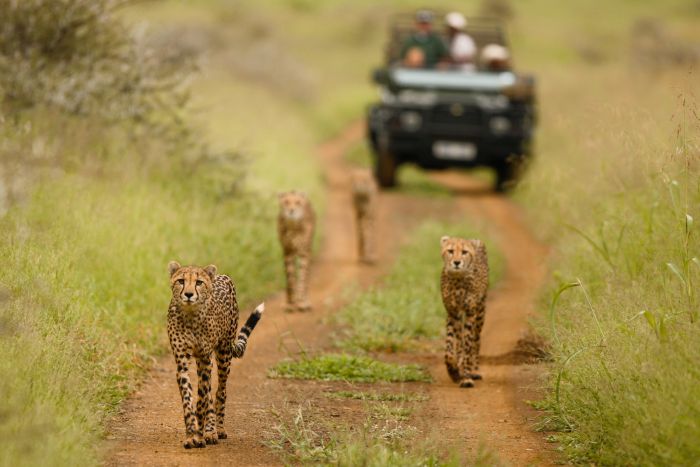
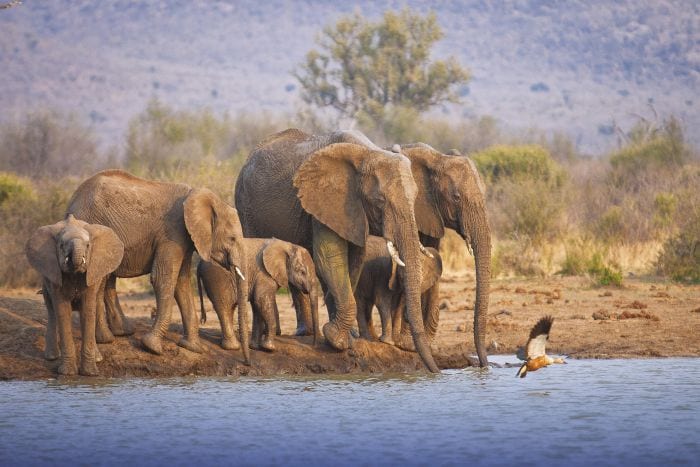
Think endless plains, scattered acacia trees, and vast skies. Think elephants at a waterhole with the grand silhouette of Kilimanjaro in the background. Think lions on rocky outcrops and cheetahs on termite mounds, both surveying the scene for their next meal.
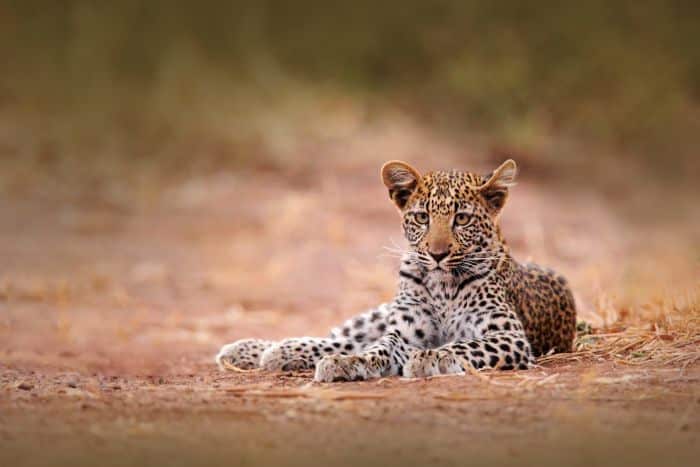
The up close and personal leopard sightings of the Kruger
In short:
East Africa = iconic safari scenery
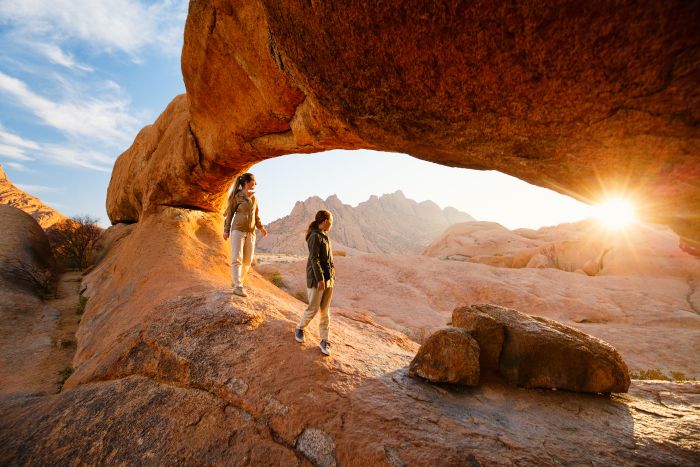
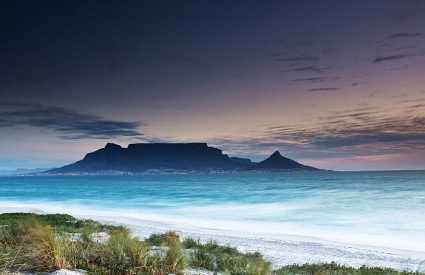
Southern Africa = broader diversity of landscapes
In practice, what this means is that “once in a lifetime” safari in Africa often turns into 3 or 4 safari trips over the next few years.
There is no right answer. So perhaps the follow-up question is: Do you want to do a straight safari? Or are you interested in combining a safari with other touring?
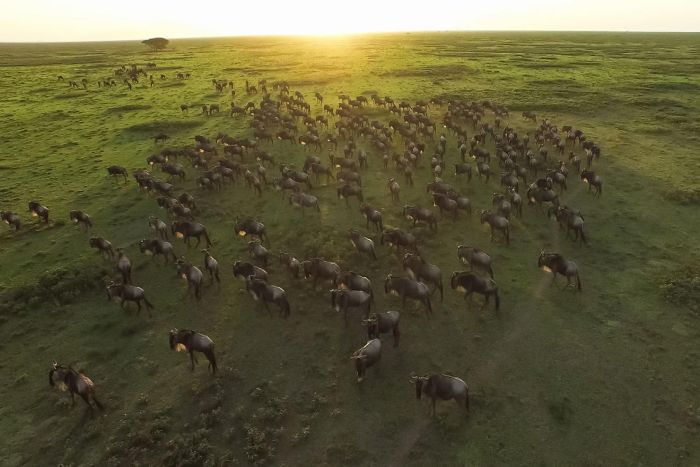
If you’ve seen images of thousands of wildebeest and zebra crossing crocodile-filled rivers. That’s East Africa’s Great Migration between the Serengeti and the Masai MMara; one of the most extraordinary wildlife spectacles on earth.
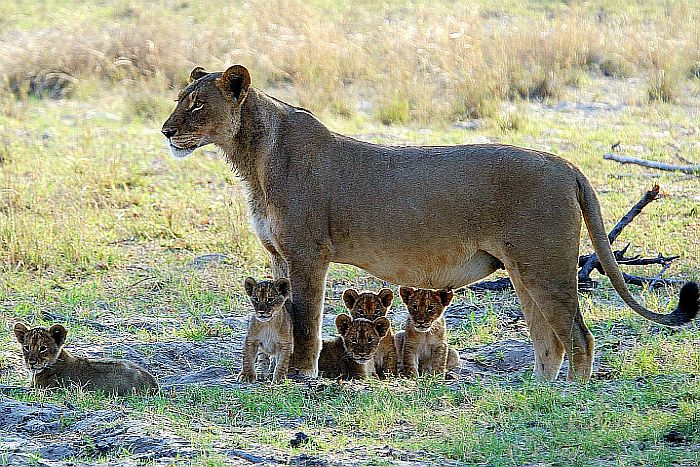
But Southern Africa has its own strength: proximity to wildlife.
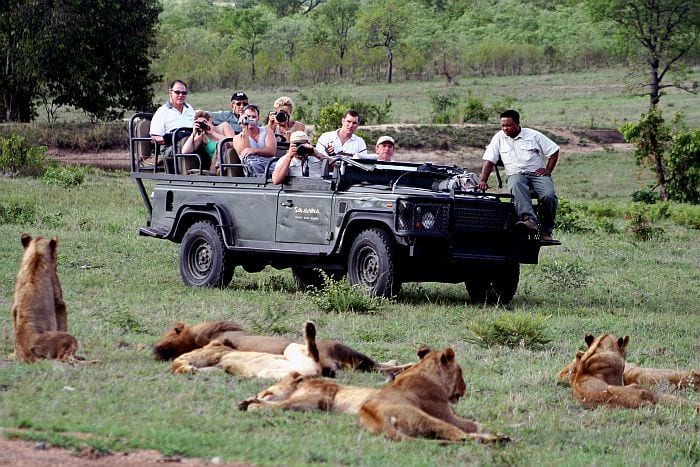
In private reserves and concessions, animals are accustomed to safari vehicles, and vehicles are allowed off road, allowing for remarkably close encounters, especially with predators, as well as huge herds of elephant.
In short:
East Africa = scale and drama
Southern Africa = closeness and detail
But if you are hung up on the Migration, then head to East Africa!
3) Style of Safari: Moving vs Staying
East Africa often involves:
Road safaris with a driver-guide travelling from one game reserve to another. He is your guide throughout your private safari trip. So will stay at a safari camp but all the safari activities are done by your guide in your vehicle.
You can also fly between game reserves and camps where you are taken care of by the camps resident guides.
In Southern Africa – with the notable exception of Namibia and mobile safaris in Botswana – you are virtually always guided by the camps’ rangers (and trackers where used).
There are pros and cons of each approach.
This creates two distinct rhythms:
An East Africa privately guided road safari feels like a journey across landscapes. Your guide gets to know you and your interests, gradually building your knowledge.
Southern Africa feels like a deep immersion in one or two areas. Here the guides know their reserve intimately and so they know where wildlife is most likely to be found. But you are changing guides with every new camp you visit.
4) Safari Vehicles: Practical vs Immersive
East Africa: Generally enclosed vehicles with pop-up roofs – ideal for travelling long distances. You can travel faster on public roads and it closes up for the cold winter mornings. (See Privately guided road safaris above)
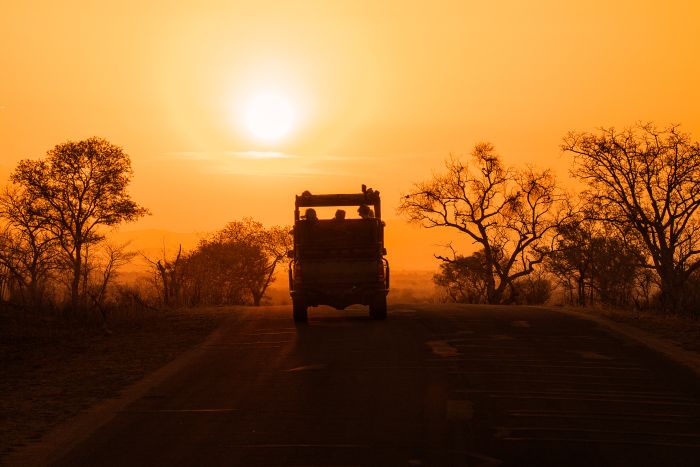
Southern Africa: Open-sided 4x4s – designed for immersive game viewing. Usually with a shade roof in summer and open to the skies in winter.
The difference is subtle but significant. One prioritises practicality; the other, atmosphere.
The pop up roof allows you to stand up and look out of the roof. Great for photography but there isn’t room for everyone to get a view. So it can be frustrating.
In open vehicles you feel closer to the game and at one with nature. You can take excellent photographs without having to stand up. And of course, it’s much better for birding in the winter months when the roof is off.
The exception is a mobile safari in Botswana when they usually opt for a more East African styled vehicle, as they are travelling from one reserve to another.
Note: Some East Africa private concessions do now offer open 4×4 vehicles for guests who are flying in.
5) Guiding: Consistency Matters
This is a hotly debated point so I won’t dwell too much on it, but the guiding is probably more consistently good in Southern Africa. The guiding examinations are very tough in the South, especially so in Zimbabwe, and these well-trained guides are to be found all over Southern Africa.
This is not to say there aren’t world class guides in East Africa because there are! But the standard is more variable.
Download our Guide to Tanzania Safaris
Major Game Reserves, Sample Tours & Camps, plus the low-down on Best Time to Visit!
Get our Free guide here
6) Style of Lodges: Classic vs Contemporary
The East African safari industry loves to say – somewhat disparagingly – that if you are interested in uber-luxury, you should head to South Africa. Certainly there’s some truth in that. The South African lodges such as Singita, and Londolozi have set the bar high in terms of luxury, attentive service and the latest in interior design.
But this influence is less pronounced than it was.
Southern Africa – and especially South Africa – offers:
A wide spectrum of lodge from the simple to the ultra-refined
Strong emphasis on design, cuisine, and service
East Africa leans toward:
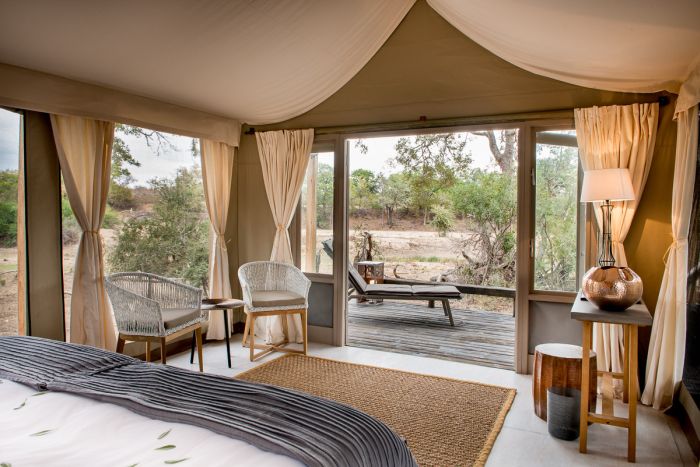
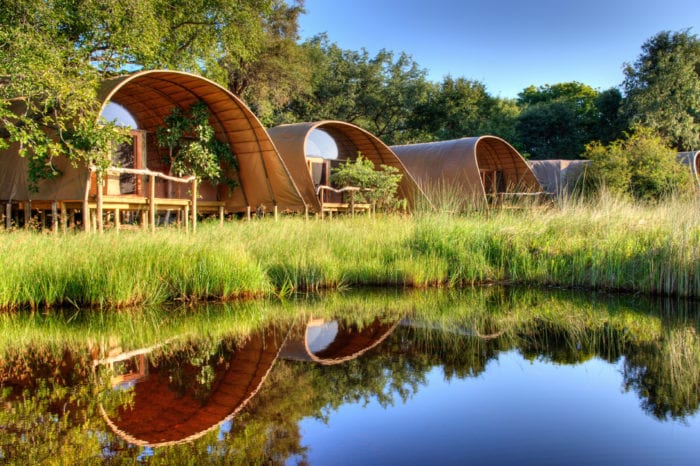
Traditional tented camps
A more classic safari aesthetic
Though increasingly, both regions are blending styles
7) Climate: Seasonal vs Sub-tropical (with altitude)
This is another big difference. The further south you travel away from the equator, the more pronounced the seasons are.
East Africa: More consistent temperatures year-round, with broadly two rainy seasons: the long rains in April-May, and the short rains in November. Though there are some noticeable regional divergence.
Southern Africa: Greater seasonal variation with generally speaking a summer rainy season (from mid November to March) and a dry winter safari season.
The dry Winter in Southern Africa (May–August) offers excellent game viewing. The days can be pleasant and warm (not stinking hot!). But mornings and evenings can be surprisingly chilly in Zimbabwe, Botswana, Namibia, and South Africa
If you would rather avoid the cold, you may prefer the milder climatic changes of East Africa.
Note
This is short summary on a BIG topic. So check out our various climate-orientated articles
Best time for a safari in Southern Africa
Best time to visit South Africa
Best time for a safari in Southern Africa
Download our Guide to Botswana Safaris
Major Game Reserves, Sample Tours & Camps, plus the low-down on Best Time to Visit!
Get our free guide here
8) Value for Money: South Africa’s Edge
South Africa (and also Namibia) often offers better value, thanks to a combination of:
Pricing in local currency (as opposed to US dollars)
The mix between more expensive safari nights and non-safari sightseeing
Easier access via scheduled flights
Various options in terms of mode of travel mixing scheduled flights with private touring or even self drive in the Cape
This makes it particularly attractive for first-time visitors or those combining safari with other experiences.
Want to plan a safari in Africa?
But not sure where to start? Talk to us & we'll create a tailor-made trip just for you
Is East or Southern Africa better for a first safari?
This is impossible to answer as it depends on what you are looking for.East Africa offers vast, cinematic landscapes and the Great Migration. Whereas Southern Africa excels in intimate wildlife encounters, guiding quality, and a diversity of both safari and non-safari experiences.
When is the best time to see the Great Migration?
The great migration is a continuous movement of animals so where we would recommend – Tanzania or Kenya – depends on when you can visit. The only time we would caution against is the long rains of generally April to mid-May.
Which safari is better for families or first-time travelers?
I would say South Africa or Kenya are both great options for families. For first-timers, it depends if you want to ONLY do a safari or whether you also want to enjoy other activities as well. See our guide to the Top African Safari Destinations
The differences between a safari in East Africa versus Southern Africa was written by Kate of Cedarberg Africa
Kate co-founded Cedarberg Africa in 1995 with her sister Ginny and has lived in South Africa for over 30 years. She has explored the continent extensively, from the Serengeti plains to the waterways of the Okavango Delta. Having designed safaris across both East and Southern Africa, she brings a rare depth of insight into how these different regions shape the safari experience.
Cedarberg Africa is a safari company specializing in Southern and East African tailor-made itineraries. Feel free to contact us if you want us to plan a personalized safari to either East Africa or Southern Africa.