How safari tourism supports conservation, communities, and Africa’s wild spaces
In an era of overtourism, carbon anxiety and crowded destinations, many travellers are asking harder questions about the impact of tourism. You are not just asking where to go, but whether long haul travel can justify itself.
An African safari offers a surprisingly positive answer.
At a time when tourism is increasingly under scrutiny – when some European cities such even question whether they want visitors – African safari travel remains one of the few forms of positive tourism. Where visitors directly contribute to wildlife conservation, help to sustain rural livelihoods and preserve some of the world’s last great wild spaces.
And perhaps as importantly, it reconnects us – quietly but profoundly – with the natural world.
So, we’re here to gently remind you why a safari trip to Africa is a more thoughtful kind of travel, one that gives something back. So both you and the destination benefits.
Why Safari Tourism is Different
We’ve been selling trips to Africa for over 30 years, so naturally we are passionate about it.
The need to understand other cultures and how they tick, to see other countries, to choose wisely where you travel and to spend wisely when you get there is more important than ever.
Most safari regions operate on a low-volume, high-value model designed to protect fragile ecosystems rather than overwhelm them.
We all want to have both personally enriching experiences AND to feel that we are contributing to something positive.
The reality for African tourism is so different from Europe. Here, the preservation of wildlife, the environment and the rural communities need tourism.
Just as we all feel a pull toward the vast spaces; the rainforests and savanna plains of Africa really need US too.
How Conservation in Africa Depends Critically on Tourism
If you choose Africa for a safari holiday, you are also choosing to support wildlife conservation.
Some people assume that we mustn’t visit wild areas as we may somehow spoil them. That somehow funds for conservation will magically appear.
But as western nations reduce their overseas funding, conservation increasingly must raise its own money. And the main source of funding is from tourism.
(African Governments are not rich enough to divert scarce resources needed for health and education into wildlife conservation. The more pressing needs are schoolteachers, classrooms and health clinics.)
Every single game lodge in a national park or private game reserve is supporting wildlife conservation. Both directly and indirectly.
Conservation in Africa is deeply tied to tourism revenue. Without it, Africa’s wildlife will be under certain threat from poaching, both for money and for subsistence.
Conservation and park fees directly pay for wildlife conservation and anti-poaching efforts.
More tourism revenue into an area means job creation, which leads to a reduction in poaching for the pot.
Safari Tourism supports Local Communities:
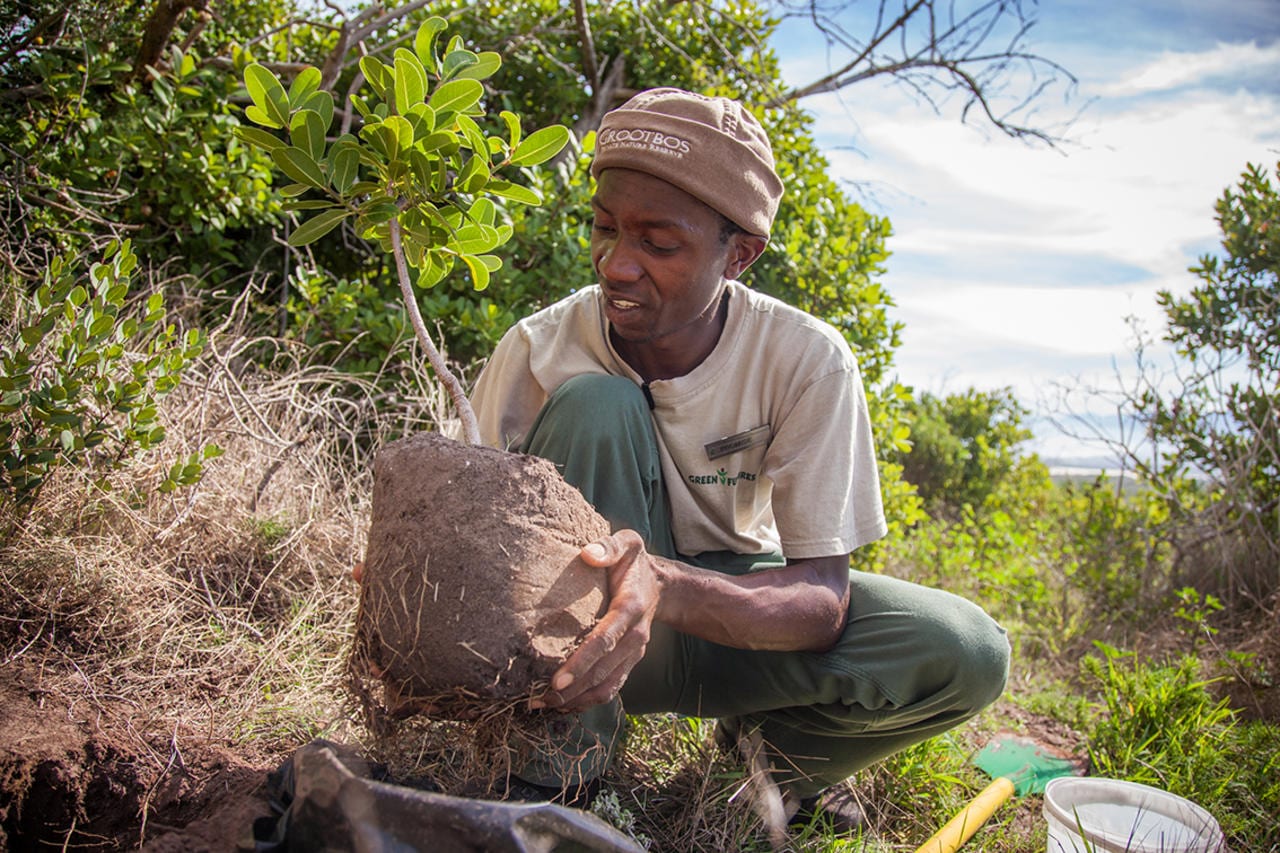
The camps employ local people.
Local people sell their crafts, their vegetables and provide additional activities for the camps. Indeed camps often mentor local people to develop micro-businesses to assist their safari clients. Whether that be a mobile spa offering massages or offering a farm tour for example.
In Botswana and Namibia, 8.9% and 15.7% of the population respectively are employed by the tourism sector. These percentages rival Southern European countries like Italy and Spain.
Safari camps also run a number of empowerment projects in the villages. It’s a win-win. Schools and health clinics are supported, which in turn improves the educational level and health of their staff.
Example: Imvelo safaris in Zimbabwe runs a vision clinic once a year which brings in doctors from around the world to assist with cataract operations as well as glasses for older people
One employed person typically supports between five and ten other people.
Read our article about Safari companies in South Africa with conservation at their core.
Interested in booking a Safari or Holiday?
Chat to one of our experienced consultants that’s here to help and guide you.
We use our expertise to narrow down the choices and present feasible ideas, so you can relax and ENJOY the planning process!
Contact us!
Tourism Creates Economic Value for Wilderness
Recent world events (such as Covid-19 and more recent fuel crises) have a devastating effect on both wildlife conservation efforts and people’s livelihoods.
With a couple of notable exceptions – Cape Town and the beautiful old towns such as Stellenbosch – our beauty does not lie urban areas of Africa. It lies in the fragile tapestry of rainforests, grasslands, mountains, and the silence of the night skies.
Across Africa, tourism creates economic value for wilderness. Land once used for low-yield farming or livestock can instead be restored to wildlife habitats because conservation becomes financially viable for local communities, governments, and private reserves alike.
It allows communities to benefit from the creation of wildlife corridors which in enhance sustainable wildlife numbers.
It leads to rewilding projects on both a small and large scale across the continent from the Eastern Cape in South Africa, to the inspiring work in Gorongosa Game Reserve in Mozambique to increasing wildlife areas for gorillas in Rwanda and Uganda.
A trip to Africa is not just sustainable tourism and feeling good about your holiday choice.
Safari travel also offers something increasingly rare for you as well: silence, space, and perspective.
Days unfold to the rhythm of nature rather than notifications. People often return from Africa feeling both exhilarated and restored. Not simply because of the wildlife, but because the experience reconnects them with a slower, more grounded way of being.
Conclusion
So an African safari is more than just a holiday. Yes, it offers you:
Magnificent wild landscapes to appreciate
A sense of pervading wilderness which is increasingly rare
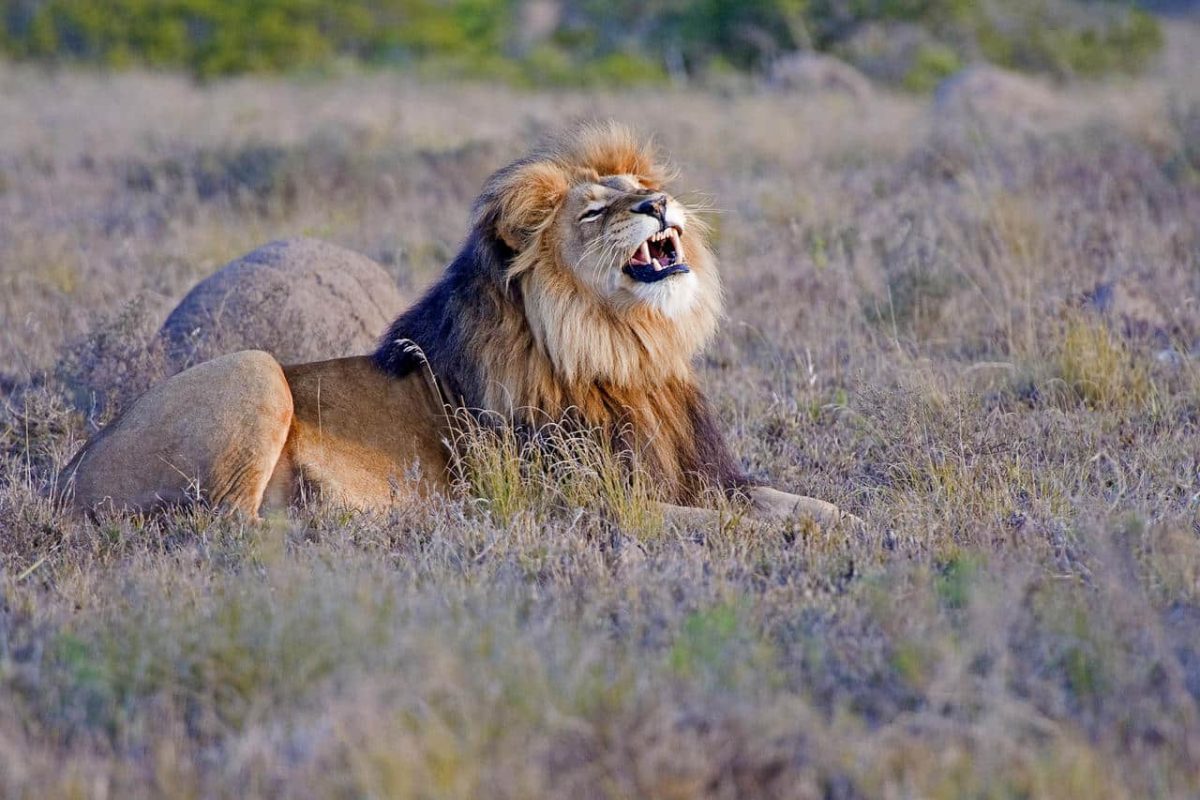
Extraordinary wildlife encounters
Warm hospitality and fascinating cultural interactions
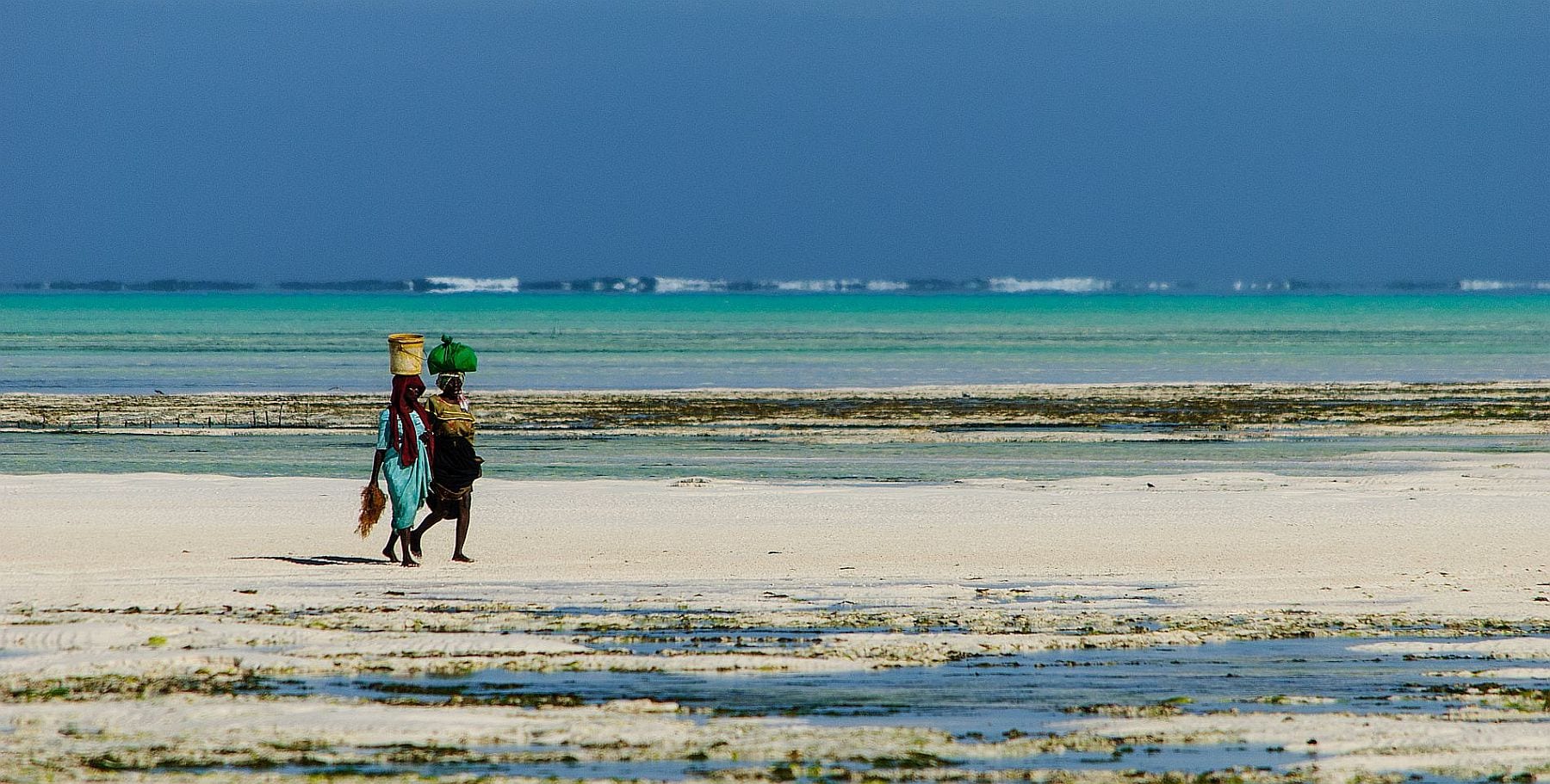
Superb beaches to rival the best in the world
Excellent food and wine, from fire-cooked bush dinners to world-class Cape cuisine, with stunning Cape wines and great locally-crafted beer.
There is nothing to beat sitting on a hillside to watch animals drink from a river below.
But it also offers:
Money flowing into wildlife conservation and anti-poaching initiatives
Direct and indirect employment
Which reduces the clamour for slash and burn farming or the lure of poaching
And thus keeps wildlife areas safe for future generations
Ready to Experience Africa Differently?
The best journeys do more than tick destinations off a list. They reconnect us with nature, broaden our perspective and leave a positive impact behind.
At Cedarberg Africa, we’ve spent more than three decades crafting thoughtful journeys across Southern and East Africa — from classic safaris and family adventures to slower, conservation-focused escapes in some of the continent’s wildest places.
Whether you already have a dream safari in mind or are simply exploring ideas, we’ll help you:
Choose the right countries, lodges, and experiences
Navigate the practicalities of safari planning
Find trips that align with your travel style and values
Create a journey that feels personal, seamless, and deeply memorable
Because the right safari is never just about where you stay. It’s about how Africa makes you feel while you’re there — and long after you return home
Start chatting to us
Love the sound of an African safari? Tell us what you have in mind & we'll create a tailor-made itinerary for you
“Africa has a way of lingering with people — long after the dust has left their boots.”
“Why an African Safari Matters More Than Ever” was written by Ginny, co-founder of Cedarberg Africa
Ginny Russell co-founded Cedarberg Africa with her sister Kate back in 1995 and has spent decades helping travellers discover Africa’s most remarkable landscapes, wildlife, and cultures.
Having travelled extensively throughout the continent, she is especially keen on conservation-led tourism, and the role thoughtful travel can play in sustaining wildlife and rural communities. Her approach combines deep destination knowledge with a belief that travel should feel both enriching and responsible.