A self-drive safari in South Africa or Namibia can be deeply rewarding – but only if you get the balance right. The biggest pitfalls? Driving too far, choosing the wrong car, overestimating your appetite for adventure, relying blindly on GPS, and driving after dark (usually by accident).
Cedarberg Africa has been arranging self-drive trips in South Africa since 1995, over 30 years ago. (Gosh I feel very old!)ut you can get too much of a good thing! Here are five tips about what to avoid on a self drive safari…
A little story to start…
There’s a particular moment we see every now and again. It’s late afternoon. The light is golden, the landscapes are sublime – and our client is still at the steering wheel, still two hours from their lodge, wondering why that “scenic detour” now feels like an endurance test.
Self-drive holidays in South Africa and Namibia can be wonderfully liberating. But, like a good wine, they’re best enjoyed in moderation. And with a little expert guidance.
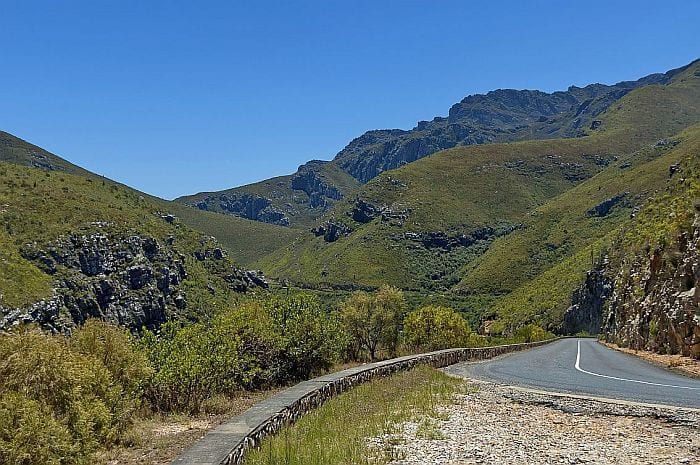
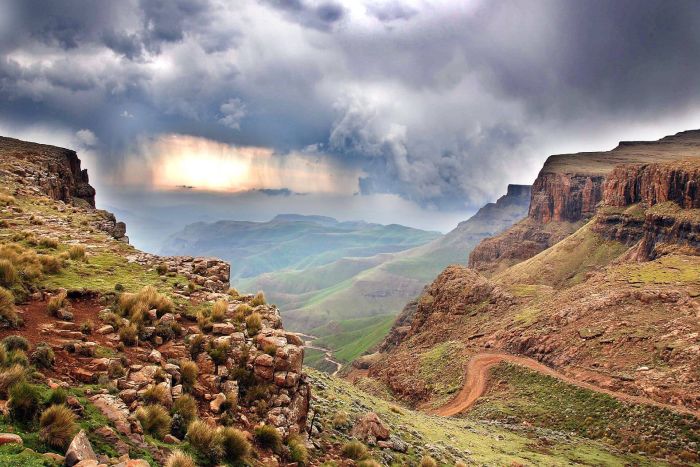
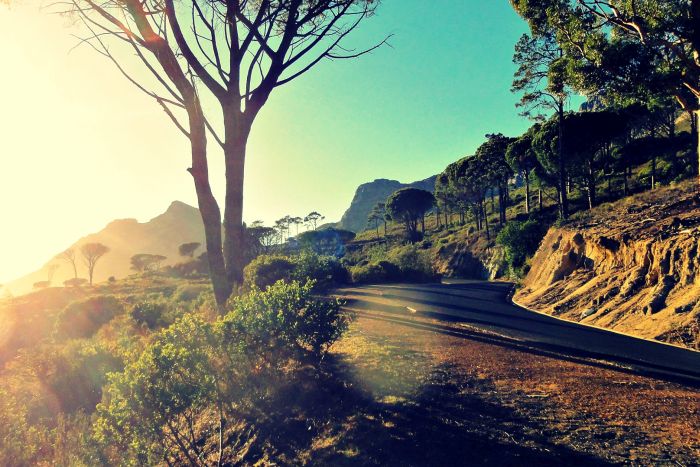
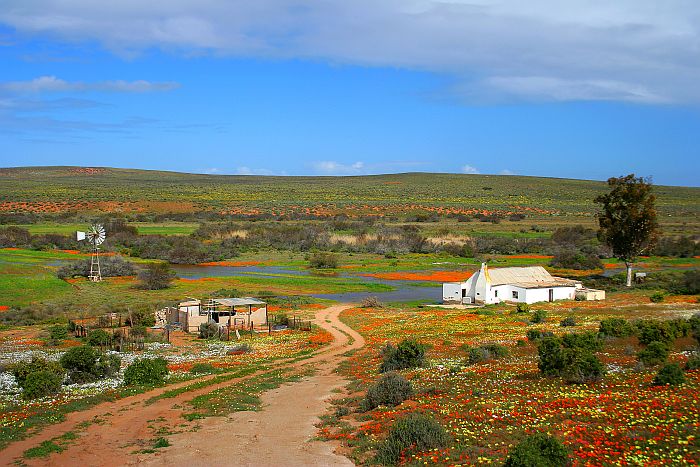
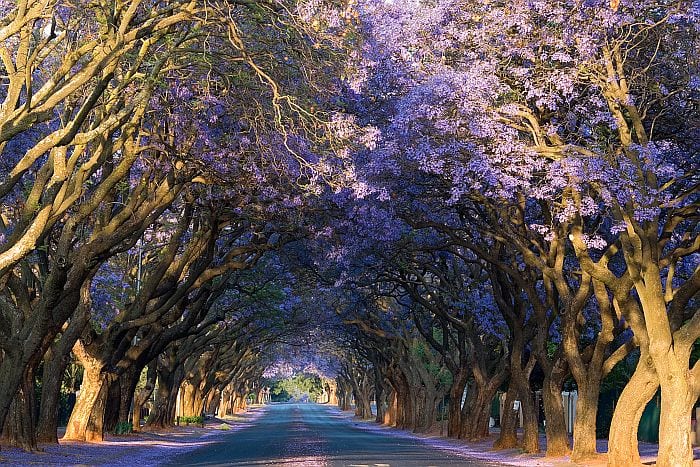
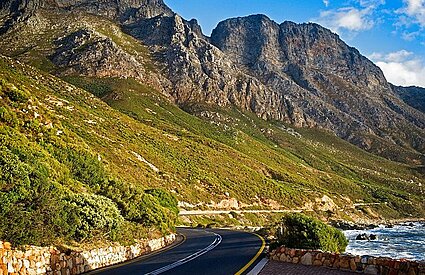
Beautiful self-drive routes
Here are five common mistakes to avoid.
1. Trying to Cover Too Much Ground
The most frequent misstep? Over-ambition.
Some people want to drive way too far in one day, and way too often. This makes the driving no longer enjoyable and more of a chore.
Yes, the distances may look manageable on a map. But driving in South Africa isn’t always about kilometres. It’s about road conditions, the lovely scenery, and unexpected stops (of the good kind).
Gravel roads demand more focus and slower speeds – see Tip 3
Scenic routes tempt you to linger
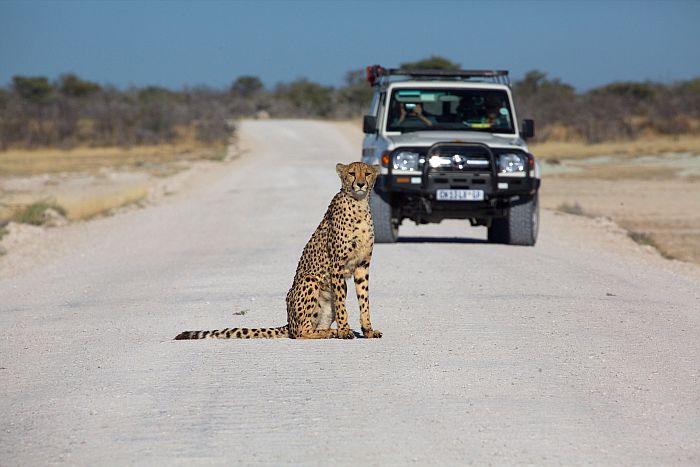
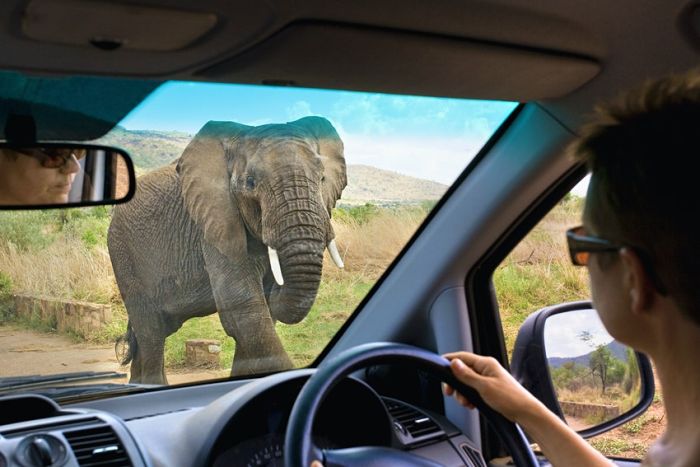
If you are driving in a game reserve, wildlife sightings can (and should) delay you
What starts as an “efficient itinerary” can quickly become tiring.
Cedarberg tip: Plan fewer, longer stays. You’ll experience more by rushing less.
2. Choosing the Cheapest Car (Instead of the Right One)
A compact rental car may look like a bargain – but it’s not always the right fit.
Our standard entry car is a Group D. This is a 1.6 Compact Automatic. It is not uber-powerful, but it’s fine for tar roads and easy trips which is the norm for most of our self-drive routes.
If you like something with more power, it’s not a big shift to something a little larger.
Travelling as a family? You’ll need space such as a Group R mid-sized SUV
Carrying lots of luggage? Size matters. Again a Group R works well.
Heading onto gravel roads? Consider higher clearance such as the Group R or a Toyota Fortuner
You rarely need a 4×4 in South Africa – believe us! But if you are going for a more adventurous self-drive road trip in Namibia, especially in the summer rainfall months, we recommend a 4×4 (Toyota double cab) or again, the Toyota Fortuner. These offer comfort and peace of mind.
Cedarberg tip: Match the vehicle to your route, not your budget alone.
So how do you choose the right rental car for your self-drive? Have a look at our blog on rental cars.
There’s a difference between adventurous and overwhelmed.
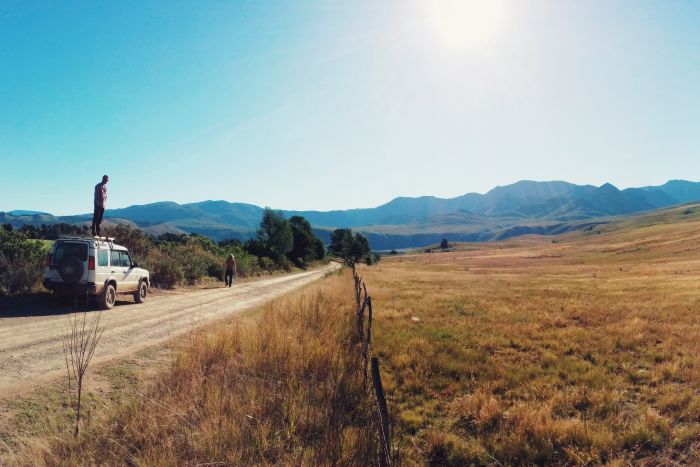
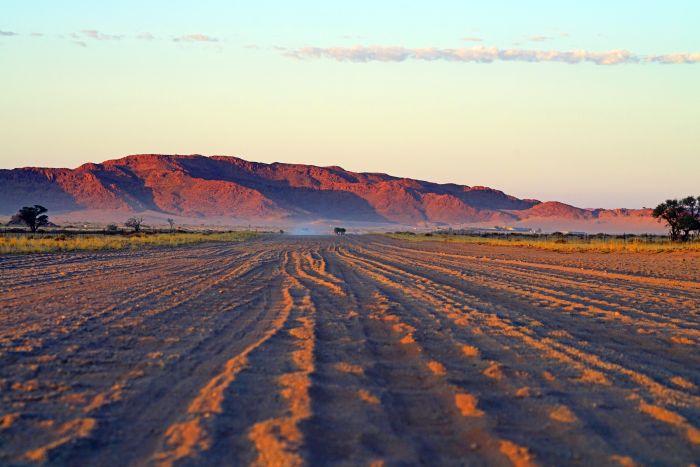
Most of South African roads are tar, but we do have a fair number of gravel back roads. Especially in the more remote rural areas (e.g. Northern Cape) and in the safari areas.
Gravel roads can range from pretty good (but still more tiring than tar roads) to seriously challenging. So if you haven’t had much experience of driving on gravel roads, don’t be too ambitious.
Remote areas require confidence and preparation. How comfortable will you feel driving in a very remote area. Or driving through small African towns? For some of our clients, this is EXACTLY what they want. But check whether that’s YOU.
Breakdowns – though rare – can mean waiting for assistance
And then there’s the key question:
Will you enjoy driving in remote regions – or just endure it?
Cedarberg Tip: Be honest about your comfort level. The best trip is one that suits you, not an imagined version of you.
(Plus we always book a second spare tyre for you in Namibia, as garages are sparsely spread out.)
We also recommend that you travel with food/water in case you are stranded for a few hours in the heat of summer. Some clients laugh at us and think we are exaggerating but people have got into serious difficulties after being stranded in Namibia for a few hours with no food or importantly – WATER!
Note: This is very rare but as the boy scouts say…
4. Relying too Heavily on GPS (And NOT using a Tour Operator)
If you are planning a more adventurous self-drive trip, you need to be more prepared. GPS works… until it doesn’t.
In remote areas, signals can be patchy or misleading.
The GPS may suggest the shortest route – but not the quickest. If it’s a badly corrugated gravel road. Or if it is badly signposted.
We’ve seen travellers confidently follow directions – not OUR clients – straight onto the wrong road.
For more complex or off-the-beaten-track itineraries:
Have a detailed set of written directions
Know your route in advance
Understand key landmarks
Cedarberg Tip: This is where a specialist tour operator quietly saves the day. We offer detailed road directions, with route planning, insights, and backup support when you need it most.
We also give you tips about the journey, and places to visit en route.
Of course we plan our self-drive safaris in South Africa so that you get to your overnight stop by the late afternoon. (Occasionally a late arriving flight might scupper this but that’s the general rule of thumb.) However it’s a self-drive trip. So we cannot force you to depart at a specific time.
It’s your holiday and your trip.
BUT do try not to be so side-tracked or late getting going that you are on the roads at night.
Driving at night in Southern Africa brings challenges:
Reduced visibility on unfamiliar roads (so driving is slower)
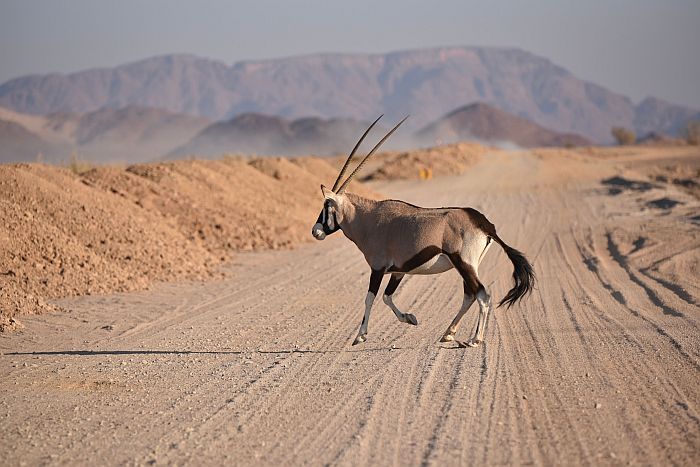
Wildlife or cattle on the road (especially in remote rural areas)
Harder navigation and missed turn-offs, as road signs or landmarks are not so clearly visible.
Most late arrivals happen for one or two simple reasons: Setting off too late. Or doing a detour to try to fit in another thing to see or do.
Cedarberg Tip: Aim to arrive by mid or late afternoon. If you’re delayed, call ahead. Your hotel or lodge will appreciate it, no-one will worry about you, and you’ll arrive far more relaxed.
As you can see, none of this is rocket science. It’s just a question of knowing yourself and choosing the right self-drive holiday for YOU.
So… What should you do?
Plan a self drive holiday that feels like a leisurely road trip, not a race.
Frequently Asked Questions about self drive holidays in South Africa
Is it safe to self-drive in South Africa?
Yes, it is safe to do a self-drive in South Africa, though there are easier areas and more remote areas with more challenging driving. Chat to us about what you would prefer.
Do I need a 4×4 for a Namibia self-drive holiday?
No not necessarily Generally we recommend not smaller than a mid-sized SUV. But depending on the time of year or your itinerary, we may recommend a 4×4 or a larger SUV such as a Toyota Fortuner.
How far should I drive each day on a self-drive holiday?
This all depends on you. Generally we find that a drive of 2-3 hours between hotels is a comfortable distance. But every now and then, you may need to do a longer drive, especially if you don’t have much time. But we try to minimize this.
Plan Your Road Trip with Cedarberg Africa
Ready to plan a self-drive holiday in South Africa that feels effortless rather than exhausting?
Here’s how to get started:
Browse our sample itineraries for South Africa and Namibia
Book a no-obligation chat with one of our experts
Refine your route based on your travel style and pace
Travel with confidence, knowing every detail has been considered
With over 30 years of experience, we know where self-drive works brilliantly. And where a little guidance makes all the difference.
Get the Ball Rolling
Love the sound of Self-drive trip in South Africa? Ask us a question, or book a no-obligation chat below OR...
How NOT to do a Self-drive Holiday in South Africa – was written by Kate of safari specialists, Cedarberg Africa
Kate co-founded Cedarberg Africa in 1995 with her sister Ginny and has lived in South Africa for over 30 years. She has explored the continent extensively, from climbing Kilimanjaro to pioneering self-drive tours in the 1990s. With decades of first-hand experience designing seamless self-drive holidays – and testing many with her own family – she understands exactly how to strike the balance between adventure and comfort.
Cedarberg Africa is a travel and safari company specializing in Southern and East African tailor-made itineraries. As we have special rates with all the hotels and game lodges, booking through us will cost no more than booking direct, and sometimes less. So our expertise and knowledge comes at no extra cost to you!