Malawi has a habit of surprising people. Known as the Warm Heart of Africa, it combines wildlife reserves, a vast freshwater lake and cool highland plateaus: sometimes all in the same safari itinerary. That variety means the weather can vary dramatically depending on where you are.
While it may be warming up on Lake Malawi by September, the Nyika Plateau can feel positively alpine by comparison.
If you want a straight-up answer, the best time to visit Malawi for wildlife is during the dry winter months from May to October.
These months also happen to be excellent for a beach escape on Lake Malawi, making it easy to pair bush, such as Liwonde, with ”beach” at Lake Malawi
Wet season: November to April (with peak rains being from January to early March)
But altitude also plays a big role – particularly on the Nyika Plateau.
We’ll take a look at each of these below to get a better idea of which parts of the country to visit when.
Dry Season (May–October): The Classic Choice
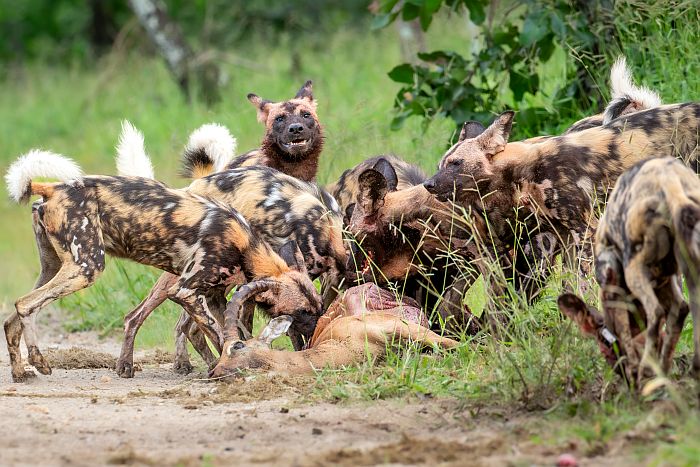
The dry season is widely considered the best time to visit Malawi, and with good reason. Days are clear, sunny and warm, rainfall is minimal, and wildlife viewing is at its strongest.
As vegetation thins out, animals gather around rivers and waterholes, making them easier to spot in parks such as Liwonde and Majete.
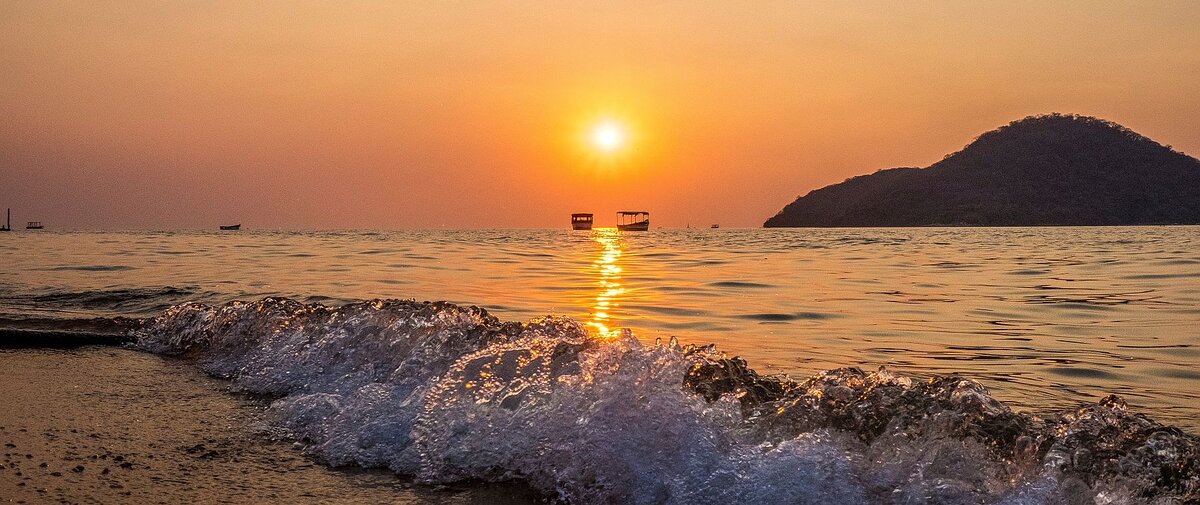
This is also a wonderful time to enjoy Lake Malawi, where sunny days lend themselves to kayaking, snorkelling, sailing or simply slowing down on the beach.
May & June: Mild to warm temperatures, fresh landscapes after the rains, excellent game viewing.
July & August: Cooler mornings and evenings; peak safari months. Expect occasional windy spells on the lake, usually lasting a few days at a time.
September: Warmer days, superb for both wildlife and lake activities.
Note onNyika Plateau: June and July can be bitterly cold at night.
Nyika has a micro-climate all of its own, completely different from the rest of the country. (The difference is quite staggering!) If you do want to head up to Nyika, then pack proper winter layers. You’ll need clothes which will lie in your suitcase for the rest of the trip.
You’ll be grateful at sunrise.
Thinking of combining Liwonde with Lake Malawi?
We'll help you strike the perfect balance between safari and shoreline.
October is Malawi’s warm-up act. Temperatures start heading seriously upwards as the country braces for summer rains. If you enjoy heat, this can be a rewarding month – especially on the cooler Nyika Plateau.
Along Lake Malawi, evenings and nights remain warm, but there’s always the option of a refreshing swim to take the edge off.
But October may be too hot for some people so consider how well you cope with heat.
Wet Season (November–April): Lush, Green and Underrated
The wet season transforms Malawi into a vivid green landscape. Rains usually arrive in November. But the heaviest downpours are from January to early March.
For diving and snorkelling, August to December often offers excellent visibility, although conditions vary with wind, rainfall and location.
Note: Several of our preferred lakeshore lodges and safari camps close from mid January to mid/late March, so we don’t recommend this time for a bush-and-lake holiday.
That said, travel either side of the heaviest rains can be very rewarding:
Migratory birds arrive in abundance
Newborn animals appear
Landscapes are at their most dramatic
Low-season rates offer excellent value
Meanwhile, botanists and walkers will love the Nyika Plateau during the warmer months of December to April, when orchids bloom and temperatures are more forgiving.
One caveat: Malaria risk is higher in the wet season, so anti-malaria precautions are particularly important but still essential throughout the year.
Compare these Climate Charts for Seasons in Malawi
Take a closer look at the average max and min temperatures and average rainfall for Blantyre below, and for Nyika Plateau below that – which is situated at a higher altitude.
However we show the climate chart for the Nyika plateau as well as it is completely different to the rest of the country.
Interested in booking a Safari or Holiday?
Chat to one of our experienced consultants that’s here to help and guide you.
We use our expertise to narrow down the choices and present feasible ideas, so you can relax and ENJOY the planning process!
Contact us!
Best Time to Visit Malawi at a Glance:
Best Time to Go (Peak Season): May/June to October- pleasant safari conditions, with wildlife viewing improving as the bush dries out in Liwonde and Majete; August to September for Lake Malawi
Good For: Wildlife safaris, beach holidays, classic bush-and-lake combinations
Low Season: November to April/May (with many lodge closures mid-Jan to mid-March)
Good For: Birdwatching, orchids on the Nyika Plateau, fewer crowds, lower rates
Most Comfortable Weather Overall: May to August – cooler temperatures and very little rain, April still have some rain
Most Challenging Weather: January to March – hot, humid, and wet
More: If you are keen to discover more about the ‘warm heart of Africa’, read our article on the top 8 reasons to visit Malawi.
Planning your Malawi Safari Trip
If Malawi has caught your imagination, we’d love to help. Our specialists know the country first-hand and can advise on the best regions, lodges and timings to suit your travel style. You can also opt to combine it with its neighbour Zambia.
How we can help:
We listen to how you want to travel—pace, interests, and priorities.
We recommend the best seasonal routes and camps.
We fine-tune the details, so everything flows seamlessly.
You relax, knowing you’re in expert hands.
Thinking of a relaxing Malawi Bush & Beach trip
Or perhaps combining a Zambia safari with time at Lake Malawi. There are plenty of options.
‘When is the best time to visit Malawi’ is written by Kate of Safari Specialists, Cedarberg Africa
Kate co-founded Cedarberg Africa in 1995 with her sister Ginny and has lived in Southern Africa for over 30 years. She has travelled widely across the continent, including several journeys through Malawi, and brings first-hand insight into how to combine its wildlife, lake and highland regions at the right time of year.