Mahale & Katavi
The most inaccessible places often give the greatest rewards: from vast buffalo herds in Katavi to tracking wild chimpanzees in the Mahale forests above the shores of Lake Tanganyika.
Scroll for more
The most inaccessible places often give the greatest rewards: from vast buffalo herds in Katavi to tracking wild chimpanzees in the Mahale forests above the shores of Lake Tanganyika.
Scroll for more

Travel here is not effortless, but that is precisely the point. Those who make the journey are rewarded with wildlife encounters that feel unfiltered and intensely personal, far removed from the busier safari circuits of northern Tanzania.
This is safari stripped back to its essentials: distance, scale and a strong sense of discovery.
The Mahale Mountains National Park rises steeply from the eastern shores of Lake Tanganyika, its densely forested slopes climbing to over 8,000 feet.

Mahale is home to around 800 wild chimpanzees, along with eight other primate species, including Red colobus monkey, Blue monkey and L’Hoest’s monkeys.
Thanks to decades of research by Japanese primatologists, several chimpanzee communities are habituated, allowing for intimate and often deeply moving encounters. Tracking on foot through the forest, you may hear them long before you see them. With their pant-hoots echoing through the canopy as families forage, groom and play.
Between chimpanzee trekking, Mahale slows the pace completely. Swim in the clear waters of Lake Tanganyika, kayak along the shoreline, or simply sit beneath towering mahoganies watching the light change across the lake.

This park provides the intrepid traveller with a thrilling taste of ‘old’ Africa. During the dry season, Katavi becomes one of East Africa’s most dramatic wildlife theatres. As rivers and pans shrink, animals are drawn inexorably towards the muddy trickle of the Katuma River and the seasonal floodplains of Lake Katavi and Lake Chada – the only source of drinking water for miles around. What follows is an extraordinary concentration of wildlife: enormous pods of hippo packed shoulder to shoulder, and herds of buffalo and elephant numbering in the hundreds.
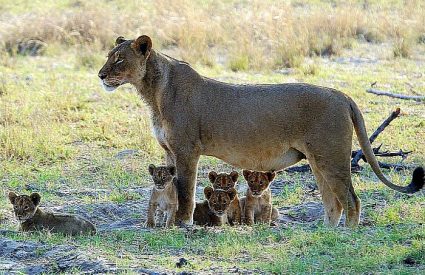
Predators thrive on this seasonal bounty of giraffe, zebra, and antelope. Lions patrol the plains, hyenas gather at dusk, and crocodiles lie in wait along the muddy riverbanks. It is an uncompromising landscape. And one that delivers some of the most powerful big-game viewing in Tanzania in season.

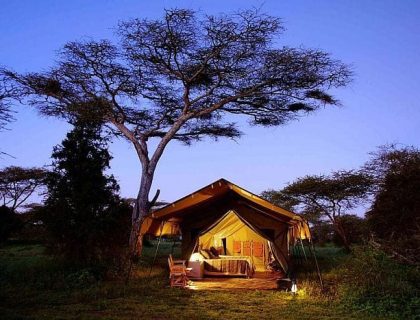
From camps such as Mbali Mbali Gombe, activities include chimpanzee tracking, guided forest walks, swimming and snorkelling in the lake You can also visit the site of Henry Stanley’s famous “Dr Livingstone, I presume” meeting at Ujiji near Kigoma.
Return to main Tanzania safari pages

Both parks are accessed by twice-weekly scheduled flights from Dar es Salaam, and often combined into a single 7-night itinerary. You can also opt for private charters depending on your budget.
When is the best time to visit Western Tanzania?
The dry season (June to October) is ideal for Katavi’s wildlife concentrations, while chimpanzee trekking in Mahale is excellent from June through to February.
Is this region suitable for families?
Mahale can work well for families with teenagers who enjoy walking and nature. But Katavi is best suited to experienced safari travellers seeking remote wilderness.
Speak to our specialists about combining Katavi’s big game with Mahale’s chimpanzees.

Only the best African travel advice, tidbits and tours. No nonsense.